What To Check Before Preparing Tyres For A Long Motorway Journey
A practical step-by-step guide to what to check before preparing tyres for a long motorway journey, including preparation, instructions, common issues, tips, and next steps.
What To Check Before Preparing Tyres For A Long Motorway Journey
Before setting off on a long motorway journey, it is vital to prepare your tyres properly. This guide explains the essential checks to perform, from inspecting tread depth and pressure to examining sidewalls and ensuring your spare or emergency kit is ready. Following these steps will help maintain safety, stability, and fuel efficiency during your trip.
Fast Answer
- Check tyre pressure when tyres are cold, using a reliable gauge, and compare to the manufacturer's recommended PSI found in your vehicle's manual or door sticker.
- Inspect tread depth across the tyre's surface, including the inner, center, and outer edges, to ensure even wear and adequate grip.
Before You Start
- Park on a level surface and ensure the engine is off and the vehicle is in park or gear with the handbrake engaged.
- Gather a reliable tyre pressure gauge, a tread depth gauge or a coin, and the vehicle owner's manual or tyre information sticker.
- Ensure you have sufficient time to perform the checks thoroughly, without rushing, and that the environment is well-lit.
- If you have a spare tyre, check its pressure and condition as well, as it may be needed during a journey.
Step-by-Step Instructions
Check Tyre Pressure When Cold
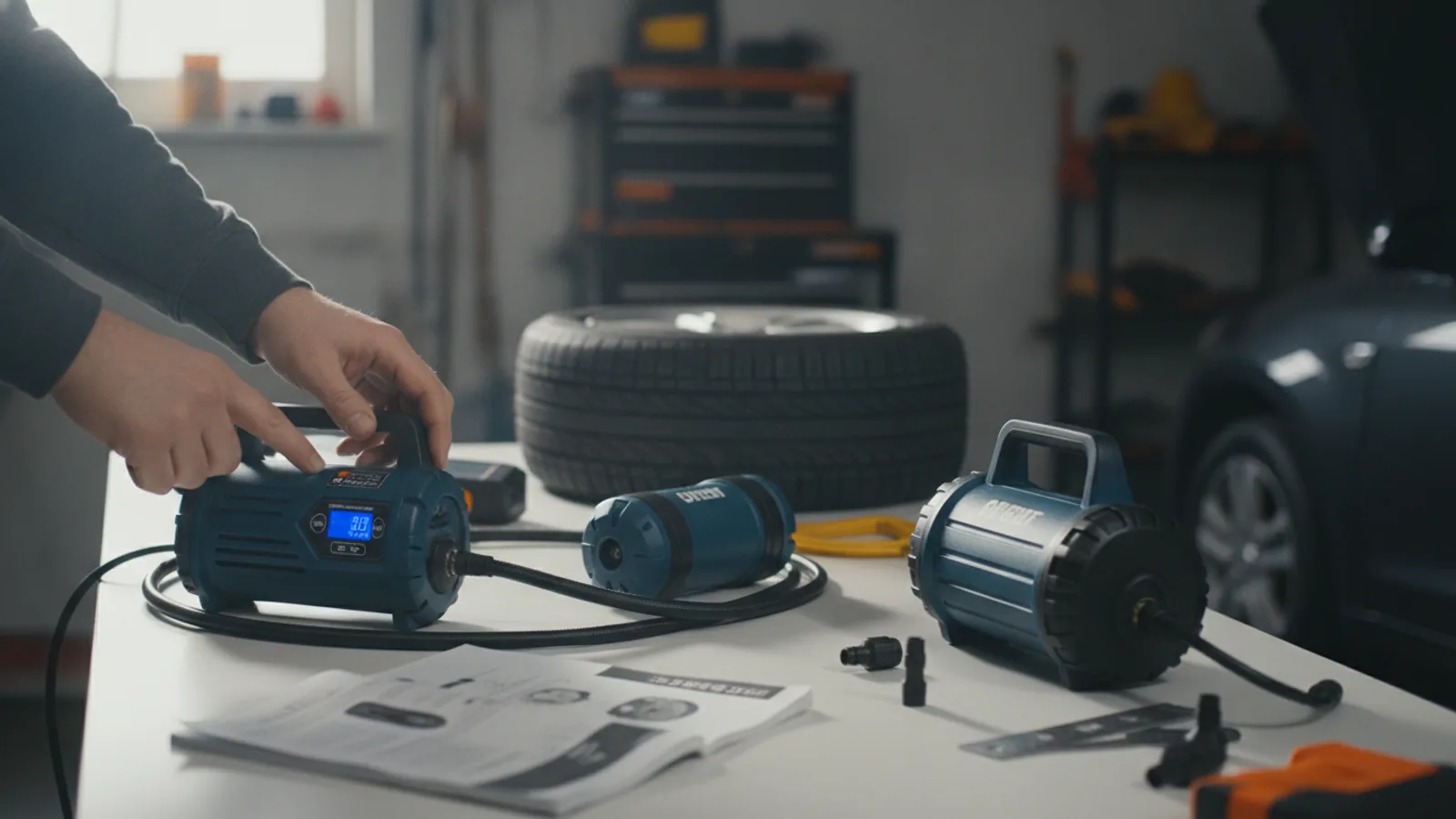
Tyre pressure should be measured when the tyres are cold, ideally before you have driven more than a couple of kilometres, because heat from driving increases pressure and gives an inaccurate reading. Locate the recommended pressure for your vehicle, usually printed on a sticker inside the driver's door frame or listed in the owner's manual. Note the pressures for front and rear tyres, as they may differ, and take into account any extra load you plan to carry. Remove the valve cap and press the gauge firmly onto the valve to get a reading. If the pressure is too low, add air until it reaches the specified level; if it is too high, let out some air. Check each tyre, including the spare, and re-check after adjusting to confirm accuracy. Properly inflated tyres ensure even contact with the road, reducing the risk of overheating, improving fuel economy, and providing better handling and braking performance.
Inspect Tread Depth and Wear Patterns
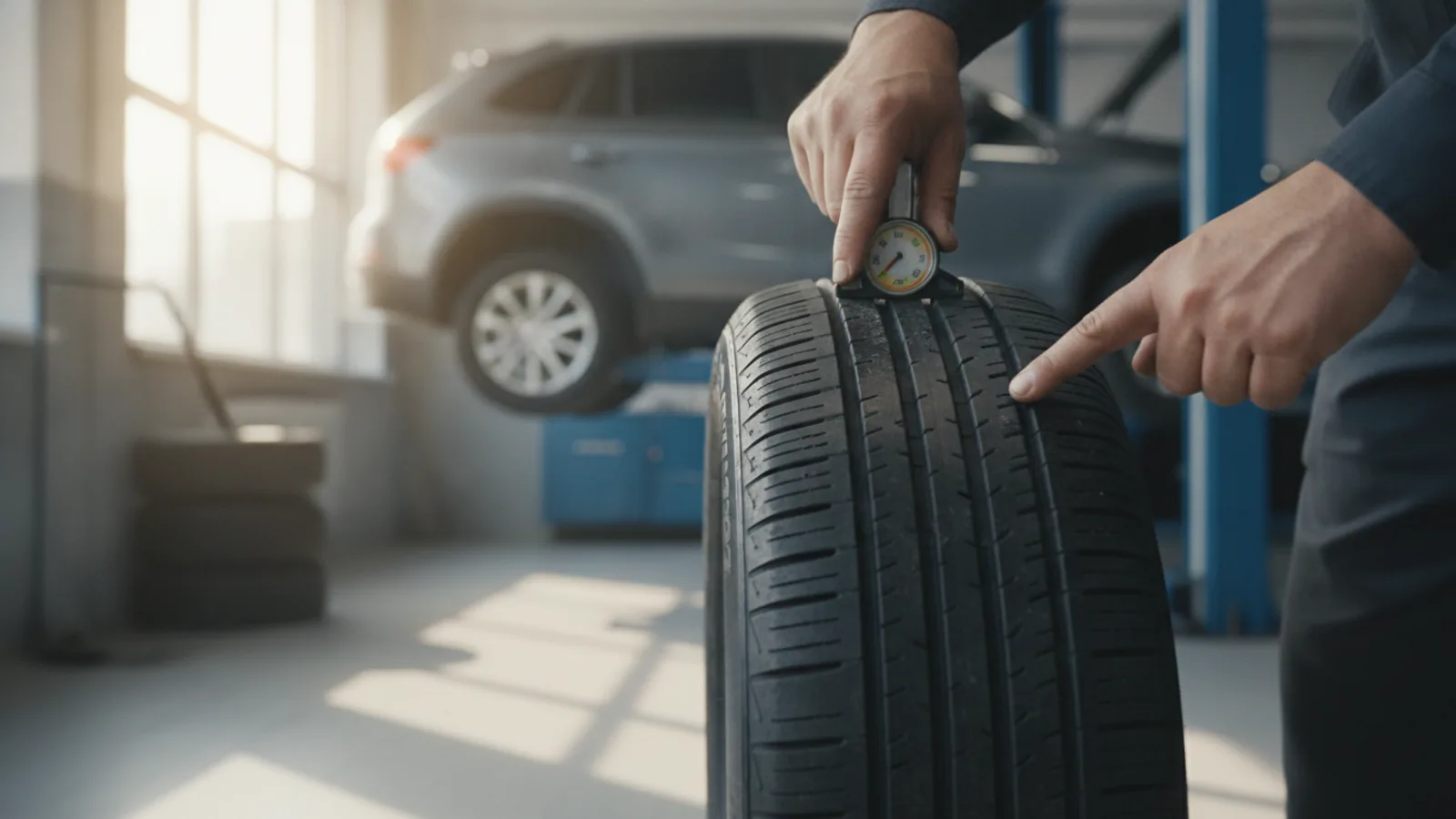
Adequate tread depth is essential for maintaining grip, especially on wet or slippery roads. Use a tread depth gauge to measure the depth in the grooves across the tyre, including the inner, centre, and outer edges. The legal minimum in most places is 1.6 mm, but for safer performance, consider replacing tyres when they reach 3 mm. The easiest way is the 20p coin test: insert a 20p coin into the tread groove. If the outer band of the coin is visible, the tread is too low. Also look for uneven wear patterns, such as more wear on the edges (indicating under-inflation) or the centre (indicating over-inflation). Uneven wear may point to alignment or suspension issues. Bald tyres can significantly reduce traction, increase stopping distance, and lead to aquaplaning on motorways. If you notice any unusual wear, consult a tyre specialist before your journey.
Examine Sidewalls for Damage
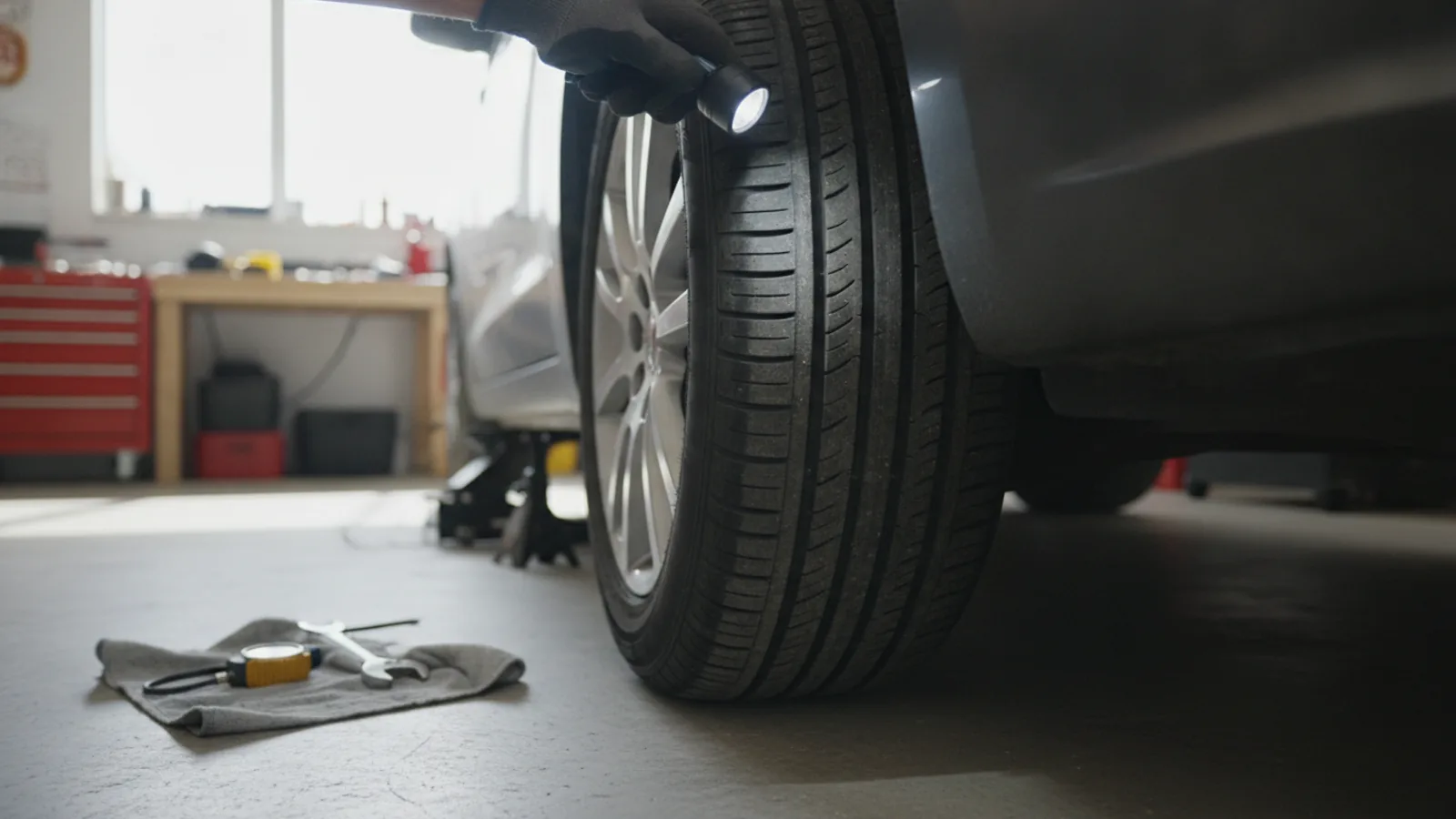
Carefully inspect each tyre's sidewall for cracks, cuts, bulges, or punctures. These issues can weaken the tyre's structure and potentially lead to a sudden failure or blowout at high speeds. Run your hand along the sidewall to feel for any bulges or deformities that may not be immediately visible. Look for any embedded objects, such as nails or screws, that could cause slow leaks or sudden deflation. Also check the valve for cracks or leaks. If you find any damage, have the tyre inspected by a professional. It may be repairable if the damage is minor and not in the sidewall, but any damage to the sidewall usually requires replacement. Sidewall integrity is critical because it helps maintain the tyre's shape and supports the weight of the vehicle. A damaged sidewall can cause the tyre to fail without warning, especially at motorway speeds, so never ignore these signs.
Assess Overall Tyre Condition and Age
Even if the tread looks deep and the sidewalls seem fine, tyres can degrade over time due to heat, UV light, and chemical exposure. Check the tyre's sidewall for a series of numbers, including a four-digit date code that indicates the week and year of manufacture. For example, a code of '2319' means the tyre was made in the 23rd week of 2019. Many manufacturers recommend replacing tyres every six to ten years regardless of tread depth, as rubber compounds can harden and lose flexibility. Look for any signs of dry rotting, such as tiny cracks in the tread blocks or sidewall. Also, observe whether the tyre has any permanent stains or discolorations that might indicate chemical breakdown. If your tyres are older, it's wise to replace them before a long journey, especially at high speeds. Old tyres may not perform well in emergency braking or cornering, even if they appear intact.
Ensure Correct Wheel Alignment and Balancing
Proper wheel alignment and balancing are not just for tyre longevity—they also affect driving safety and comfort. If the vehicle pulls to one side while driving on a straight, level road, or if you notice uneven or rapid tyre wear, your alignment may be off. Balancing ensures that the tyre and wheel rotate evenly; an unbalanced tyre can cause vibrations at motorway speeds, which can be distracting and lead to driver fatigue. Before a long trip, have the alignment checked if you haven't done so recently or if you suspect a problem. Also, ensure that all wheel weights are in place and secure. If you feel any vibration, get the wheels balanced and rotated as needed. Proper alignment and balance also help reduce unnecessary strain on the suspension and improve fuel efficiency. Even if you are not experiencing issues, a professional check can catch minor problems early.
Prepare Your Emergency Spare and Tools
Even with all precautions, a puncture can occur, so be prepared. If your vehicle has a spare tyre, ensure it is inflated to the recommended pressure and is in serviceable condition, with no cracks or damage. If you have a tyre repair kit, check that the sealant and compressor are not expired or damaged. Learn how to use the jack and wheel wrench, and make sure they are present and in good working order. Keep a torch, warning triangle, and high-visibility vest in your vehicle as part of your emergency kit. Practice changing a tyre at home in a safe area, so you are familiar with the procedure before you are on the motorway. Being confident in using this equipment can save you time and stress if you need to change a tyre. Even if you have breakdown cover, a task like this can be managed safely if you know the steps.
Quick Reference
| Situation | Action | Why it helps |
|---|---|---|
| Tyre pressure is lower than recommended | Inflate the tyre immediately to the pressure specified for your vehicle. Check again with a gauge after adding air to ensure accuracy. | Low pressure causes excessive tyre flex, leading to overheating and potential blowout at high speed. |
| Tread depth is below 1.6mm or the 20p coin test fails | Replace the tyre or tyres that are below the legal limit before starting your journey. Consult a professional if you are unsure. | Insufficient tread increases the risk of aquaplaning and reduces grip, especially in wet conditions, compromising your ability to stop and steer safely. |
| You notice a bulge or cut in the sidewall | Do not drive on this tyre. Arrange for a professional inspection and likely replacement immediately. | A damaged sidewall can cause sudden tyre failure and loss of control, which is extremely dangerous at motorway speeds. |
Common Issues
- Tyre pressure loss due to temperature changes: Check and adjust pressures regularly, especially when temperatures fluctuate. Use the vehicle's recommended pressure settings for the expected load and conditions.
- Uneven or rapid tread wear: If you notice uneven wear, have the wheel alignment and suspension checked. Rotate tyres as recommended by the manufacturer to promote even wear.
- Slow punctures from small objects: Inspect tyres for embedded objects and use a soapy water solution to check for air leaks. Also, check the valve core for tightness. If a leak is found, have it repaired professionally.
Advanced Tips
- Consider using a digital pressure gauge for more accurate readings, as opposed to a pencil-style gauge, to avoid a few tenths of a PSI difference.
- If you are carrying a heavy load, such as passengers and luggage, adjust the tyre pressure to the higher 'load' setting specified for your car, which is often slightly different from normal.
- Plan to check your tyre pressure at a petrol station that has a reliable air pump; some portable compressors may give inconsistent readings, so cross-check with your own gauge if possible.
Final Checklist
- All four tyres (and spare, if fitted) are inflated to the manufacturer's recommended cold pressure, measured with a reliable gauge.
- Tread depth is above the legal minimum, and there are no visible signs of uneven wear, cuts, bulges, or punctures.
- Tyre age and overall condition have been assessed, and any tyres over 6 years or showing signs of deterioration have been replaced.
- The spare tyre, jack, wheel wrench, and emergency kit are in place, inflated, and in working order.
FAQ
How often should I check my tyre pressure before a long trip?
Check your tyre pressure at least once a month and before any long journey. For the most accurate readings, do this when tyres are cold, ideally in the morning before driving. Also, inspect the pressure after any significant change in outside temperature, as pressure can drop or rise accordingly.
What is the legal minimum tread depth for tyres?
In most jurisdictions, the legal minimum tread depth is 1.6 mm across the central three-quarters of the tread, around the entire circumference. However, for safety and better grip, many experts recommend replacing tyres when tread depth reaches 3 mm. You can use a tread depth gauge or a coin test to check.
Can I drive with a slow puncture for a long distance?
No, a slow puncture is unreliable and can suddenly worsen. It can cause the tyre to lose pressure quickly at motorway speeds, leading to overheating and blowout. Have it inspected and repaired professionally before you travel, even if it seems to hold air for a while.