What To Check Before Choosing Replacement Tyres For Everyday City Driving
A practical step-by-step guide to what to check before choosing replacement tyres for everyday city driving, including preparation, instructions, common issues, tips, and next steps.
What To Check Before Choosing Replacement Tyres For Everyday City Driving
Choosing replacement tyres for everyday city driving involves more than picking a familiar brand. City roads expose tyres to frequent stops, tight turns, potholes, and wet surfaces, so the right tyre must balance grip, durability, and fuel efficiency. This guide walks you through the key checks: understanding your vehicle's specifications, evaluating tyre markings, assessing tread patterns, confirming load and speed ratings, inspecting sidewalls, and planning for seasonal conditions. By following these steps, you will choose tyres that keep you safe, save fuel, and last longer on urban streets.
Fast Answer
- Check your vehicle handbook or door pillar sticker for the exact size, load index, and speed rating before buying any tyre.
- Compare tread patterns: choose a symmetric or directional design for city driving to get good wet grip and low road noise.
Before You Start
- Gather your vehicle's current tyre size from the sidewall (e.g., 205/55 R16) and note the load index and speed rating.
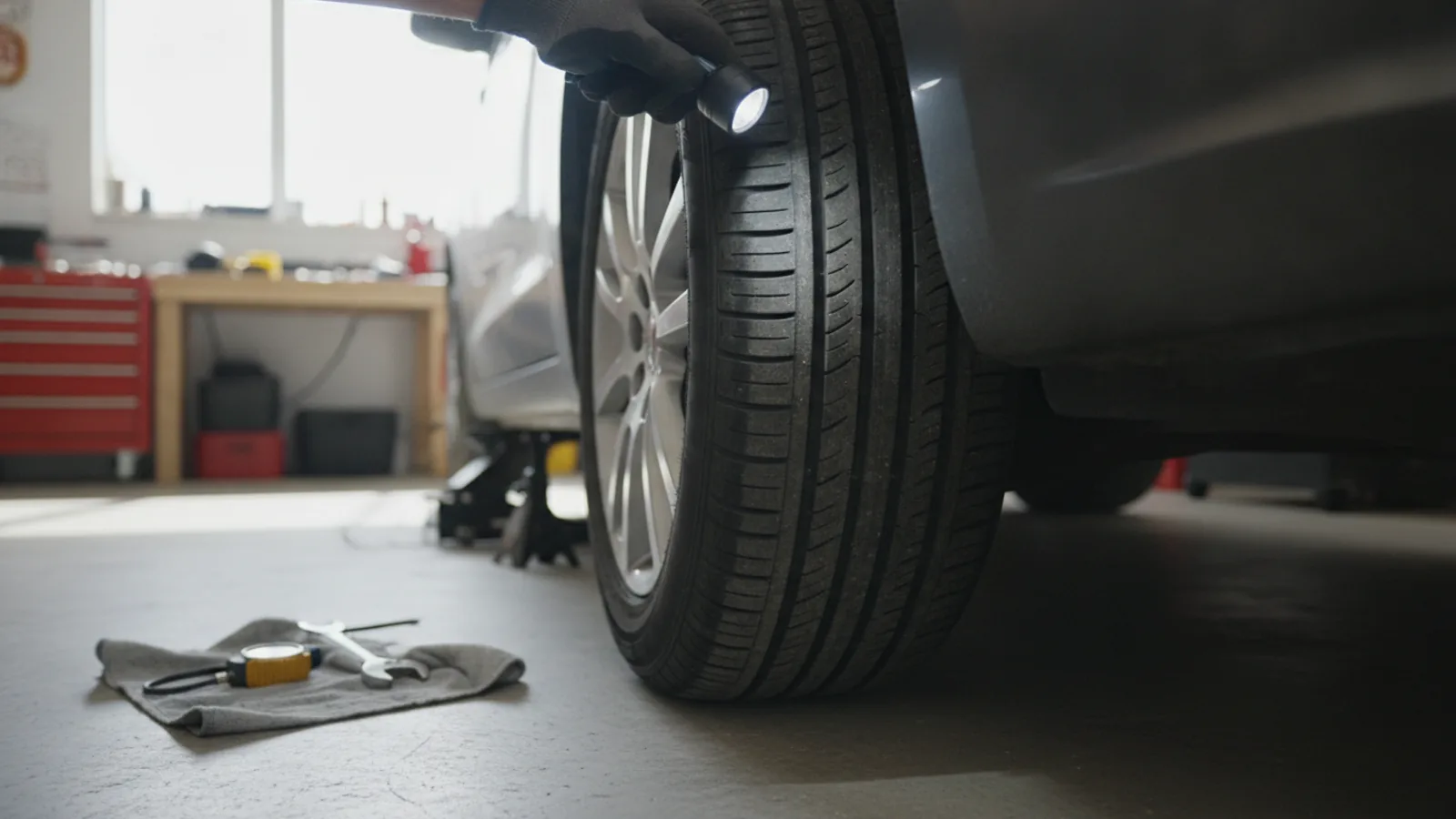
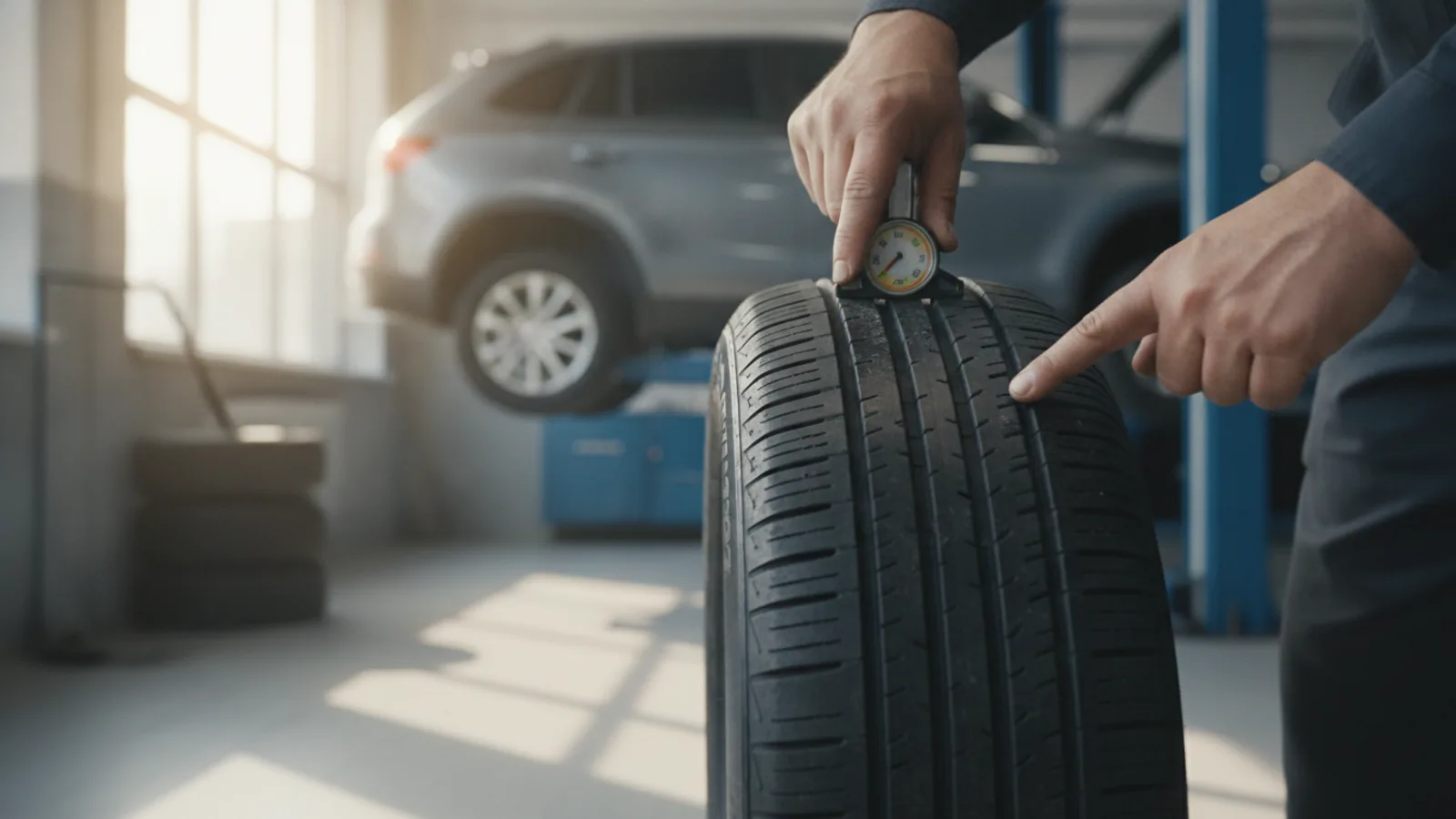
- Measure your tread depth with a gauge or use the penny test to know if you need new tyres (below 3mm is risky for wet roads).
- Review your typical driving routes: note if you face heavy traffic, frequent braking, or many potholes, as these affect tyre wear.
- Check the air pressure in your current tyres and understand your vehicle's recommended pressure from the owner's manual.
Step-by-Step Instructions
Verify your vehicle's tyre specifications
Your first and most important check is to confirm the exact tyre size, load index, and speed rating that your vehicle requires. Look for a sticker on the driver's door pillar, inside the fuel filler flap, or in the owner's manual. The size is a combination like 195/65 R15, where the first number is the width in millimetres, the second is the aspect ratio (height as a percentage of width), and the letter R stands for radial construction followed by the rim diameter in inches. The load index is a number (e.g., 91) that indicates how much weight the tyre can support, and the speed rating is a letter (e.g., H) that shows the maximum safe speed. Using a tyre that does not match these specifications can lead to poor handling, extra stress on the suspension, and even dangerous blowouts. If you cannot find the information, check the sidewall of your current tyres, but remember that previous owners might have fitted the wrong size. Always cross-reference with the manufacturer's recommendations. For city driving, a higher speed rating than needed is fine, but never choose a lower rating than specified.
Decode sidewall markings beyond the size
After confirming the basic dimensions, you need to understand other markings on the tyre sidewall. These include the manufacturing date, which is a four-digit code like '2319' meaning the 23rd week of 2019. Tyres older than six years should be replaced, even if the tread looks deep, because rubber degrades over time. You will also see a DOT code, which is the U.S. Department of Transportation compliance mark, but the date is the critical part. Other markings include the load index and speed rating (e.g., 91H), and sometimes a treadwear grade, traction grade, and temperature grade. Treadwear is a number like 500, where higher means slower wear but often less grip. Traction grades are AA, A, B, or C, with AA being the best for stopping on wet roads. Temperature grades A, B, or C indicate how well the tyre dissipates heat. For city driving, you want a good balance: a treadwear of 300-500 is typical for all-season tyres, and an A or higher traction grade is wise. Do not ignore these numbers; they help you compare tyres from different brands on the same scale.
Assess tread patterns for urban conditions
The tread pattern directly affects grip, braking, noise, and hydroplaning resistance. City driving involves frequent braking and turning, so you want a tread that performs well on wet and dry roads. Symmetric tread patterns have identical halves and are quiet, with low rolling resistance, making them good for fuel economy. Directional treads have V-shaped grooves that channel water away, but they must be mounted to rotate a specific way, which limits rotation options. Asymmetric patterns combine zones for dry and wet grip, often giving excellent cornering stability. For a typical city driver who faces rain, oil spills, and smooth concrete, an asymmetric or symmetric all-season tyre is a safe choice. Check the depth of the grooves: new tyres have about 8-9mm of tread, and legal minimum is 1.6mm, but many experts recommend replacing at 3mm for safety. Also, look for wear indicators, which are raised bars across the bottom of the tread grooves; if the tread is flush with them, the tyre is worn out. Finally, consider the sipes, or tiny slits in the tread blocks; more sipes improve snow traction but can increase wear on dry roads.
Match load and speed ratings to your driving
Your vehicle's load and speed ratings are crucial for safety and performance. The load index, such as 91, corresponds to a maximum load in kilograms (typically 615 kg for 91). This number must be at least as high as the one recommended by the vehicle maker. If you often carry heavy cargo or passengers, you might opt for a higher load index, known as an extra load (XL) tyre. These have stronger construction and can run at higher pressures, which is beneficial for heavy city loads. The speed rating is a letter that indicates the maximum legal speed the tyre can sustain: for everyday city driving, where speeds rarely exceed 110 km/h (though you should not quote speeds, but the rating matters), almost any rating above S (180 km/h) is sufficient. However, do not select a tyre with a lower rating than what the vehicle requires, as it may overheat at sustained moderate speeds. You can choose a higher speed rating, but it will often cost more and may result in a harder ride. Check your owner's manual for the minimum rating; do not rely on guesswork.
Inspect tyre construction and sidewall strength
While you cannot easily see inside a tyre, understanding construction matters. Most passenger tyres are radial, with steel belts under the tread and polyester cords in the sidewall. The sidewall has a rating for pothole resistance: some tyres have reinforced sidewalls that are more resistant to impacts. For city driving with poor roads, a tyre with a 'Rim Protection' or 'RFT' (run-flat) feature may be worth considering, but run-flats are stiffer and can give a harsher ride. Check the sidewall for any sign of a puncture, bulge, or crack, as these indicate internal damage that cannot be repaired safely. Also, note the tyre's load carrying ability in relation to its inflation pressure: the sidewall shows the max pressure, but that is not the recommended pressure. The correct pressure is always found on the vehicle placard. Before buying, physically inspect the new tyre for any cosmetic imperfections, and ask the seller about the construction type (e.g., two-ply vs four-ply). Do not accept a tyre with visible flaws.
Consider seasonal and weather needs for your city
City driving is often in moderate climates, but weather varies. If you face snow and ice for more than a few days each year, you might need winter tyres or all-season tyres with a mountain-snowflake symbol. All-season tyres are a compromise, performing adequately in mild winter, but they lose grip below 7°C. If your city has distinct winter, dedicated winter tyres are safer and shorten stopping distances on snow. However, swapping tyres seasonally requires storage. If you prefer one set, look for all-season tyres with the M+S (mud and snow) marking and the 3PMSF (3 Peak Mountain Snowflake) symbol, which indicates better winter performance. Also consider the tread design: open patterns with more sipes are better for snow, while smooth patterns are for dry asphalt. For heavy rain, look for tyres with strong hydroplaning resistance; you can check this by reading reviews, but a safe bet is a symmetric or asymmetric pattern. Check your local climate's extreme temperatures and precipitation before deciding.
Quick Reference
| Situation | Action | Why it helps |
|---|---|---|
| You see a tyre with a different size than your vehicle's manual suggests. | Do not buy it; check the manual or placard for the exact size and only accept identical specifications. | Incorrect size alters speedometer readings, affects handling, and may rub against the wheel well. |
| Your current tyres have 3 mm of tread depth left on the edge. | Replace the tyres immediately, especially if you drive on wet roads, and measure with a gauge. | Shallow tread reduces water evacuation, increasing hydroplaning risk and extending braking distances. |
| You find a great deal on winter tyres, but you live in a mild city. | Skip them and invest in all-season tyres with a mountain-snowflake symbol for year-round safety. | Winter tyres wear quickly on warm dry roads and compromise braking performance in summer. |
Common Issues
- Uneven tread wear on the inside or outside edge of the tyre.: Check your wheel alignment and tyre inflation; misalignment causes edge wear, and over- or under-inflation wears specific bands. Have a technician align the wheels and adjust pressure to the placard specification.
- Vibration or wobbling at city speeds after installing new tyres.: Take the vehicle back and have the tyres rebalanced. Also, verify that the tyres are mounted correctly and that the wheels are torqued to the proper specification.
- Frequent punctures from nails or debris in urban areas.: Consider tyres with a stronger sidewall and deeper tread. Always repair punctures only if they are in the tread region and smaller than 6 mm; otherwise, replace the tyre.
Advanced Tips
- Check the EU tyre label for wet grip and fuel efficiency ratings; even without specific numbers, a better rating usually means safer performance.
- Rotate your tyres every 10,000 km (or per vehicle guidance) to promote even wear, but note that directional tyres require front-to-back rotation only.
- Monitor your tyre pressure monthly, as city driving with frequent stops generates heat that can cause pressure to fluctuate more than on highways.
Final Checklist
- Verify the tyre size and load/speed ratings match your vehicle's placard.
- Inspect the sidewall for the manufacturing date and ensure the tyre is less than six years old.
- Choose a tread pattern that suits your local weather and road conditions.
- Set your tyre pressure to the manufacturer's recommendation and check it monthly.
FAQ
How do I know if a tyre is old even if it looks new?
Look for a four-digit DOT code on the sidewall. The first two digits are the week of manufacture, and the last two are the year. For example, '2319' means the 23rd week of 2019. Tyres older than six years, even if never used, have degraded rubber due to oxidation and may fail. Check the code during your inspection.
Can I replace just one tyre if the others are still good?
It is not recommended. Different tread depths affect handling and can overload the drivetrain. For front-wheel-drive cars, always replace tyres in pairs on the same axle. If you must replace one due to damage, have the new tyre shaved to match the other's tread depth, or replace both on that axle.
What is the minimum legal tread depth for tyres?
The legal minimum is 1.6 mm across the central three-quarters of the tread in many regions. However, for city driving in wet conditions, safety experts advise replacing tyres when tread depth reaches 3 mm. You can use a tread depth gauge or insert a 20-unit coin into the groove; if the coin's edge is not covered, your tread is too shallow.