Preparing Tyres For A Long Motorway Journey Checklist For First Time Readers
A practical step-by-step guide to preparing tyres for a long motorway journey checklist for first-time readers, including preparation, instructions, common issues, tips, and next steps.
Preparing Tyres For A Long Motorway Journey Checklist For First Time Readers
This guide helps first-time readers prepare their car tyres for a long motorway journey. It covers visual checks, pressure and tread depth, loading, and emergency readiness. The steps are practical, with clear actions and explanations, ensuring a safer and smoother trip. Always refer to your vehicle's manual for specific details.
Fast Answer
- Check tyre pressure when cold using the manufacturer's recommended PSI, found in the owner's manual or door sticker.
- Inspect tread depth, sidewalls, and valves; look for cuts, bulges, or embedded objects. Use the 20p coin test for tread.
Before You Start
- Gather supplies: a reliable tyre pressure gauge, a portable air compressor or access to a garage, a tread depth gauge or 20p coin, and a torch for inspection.
- Plan the journey: know the expected load, weather, and route; adjust tyre pressures accordingly, as load and speed affect pressure needs.
- Read the vehicle handbook: note the correct tyre pressures for front and rear, especially under load, and any specific recommendations for motorway driving.
- Allow time: do the checks the day before departure, when tyres are cold, to avoid rush and ensure accurate readings.
Step-by-Step Instructions
Find the Correct Tyre Pressure
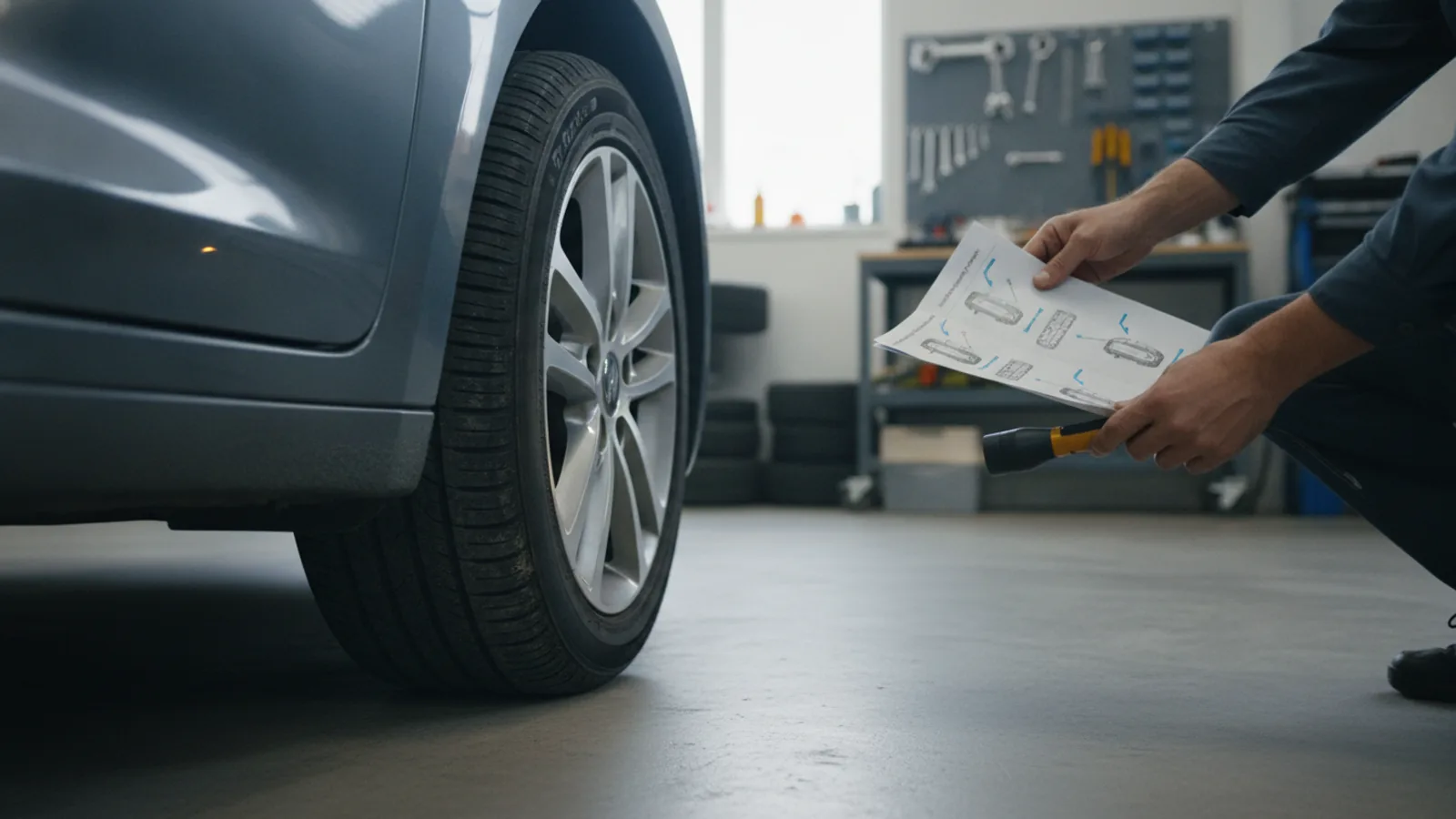
Locate the recommended tyre pressures for your vehicle. These are usually found in the owner's manual, on a sticker inside the driver's door frame, or inside the fuel filler flap. The pressures differ for front and rear, and may vary depending on load. For a heavy load or motorway speeds, some manufacturers recommend higher pressures. Check for the 'partial load' and 'full load' figures. Write or photograph the numbers so you have them handy. Remember, the figures are for cold tyres, meaning the car has been stationary for at least three hours or driven less than a mile. This ensures accurate measurement. Using the wrong pressure can lead to poor handling, increased wear, and a higher risk of a blowout. So, take the extra minute to find the correct numbers for your specific journey.
Check Pressures with a Accurate Gauge
Use a quality tyre pressure gauge to check each tyre, including the spare. Remove the valve cap and press the gauge firmly onto the valve stem; you should hear a hiss if the gauge is seated, but it should not leak. Read the pressure and compare it to the recommended figure. If the pressure is low, inflate the tyre to the correct level. If it is high, release air by pressing the small pin in the valve. After adjusting, re-measure to confirm. Do this for all four tyres, and do not forget the spare if your car has one. Under-inflated tyres increase rolling resistance, which burns more fuel and generates excess heat, which is dangerous at motorway speeds. Over-inflated tyres reduce the contact patch, hurting grip and making the ride harsh. Regular checks, especially before a long trip, are vital for safety and efficiency.
Inspect Tread Depth with a 20p Coin
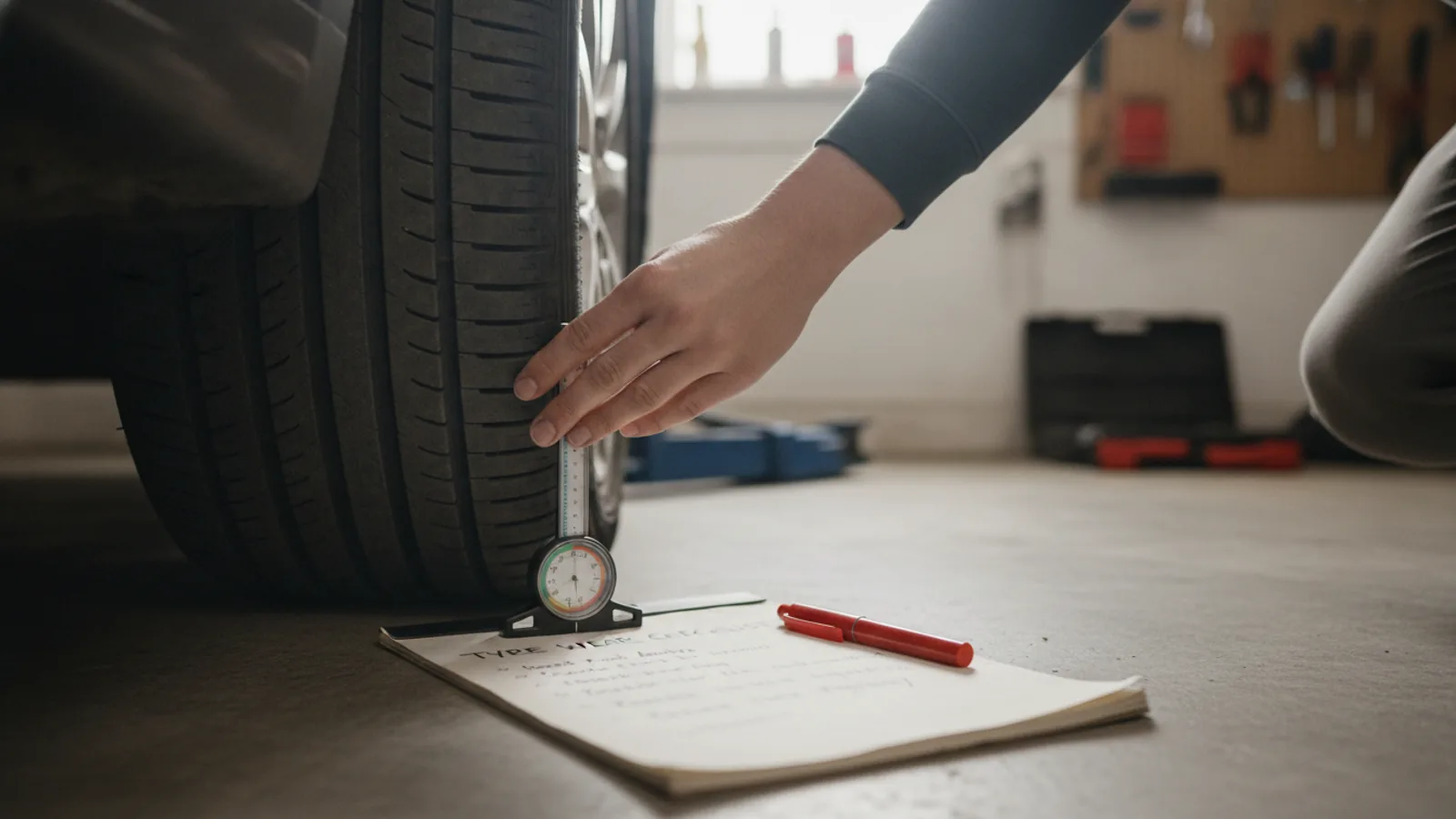
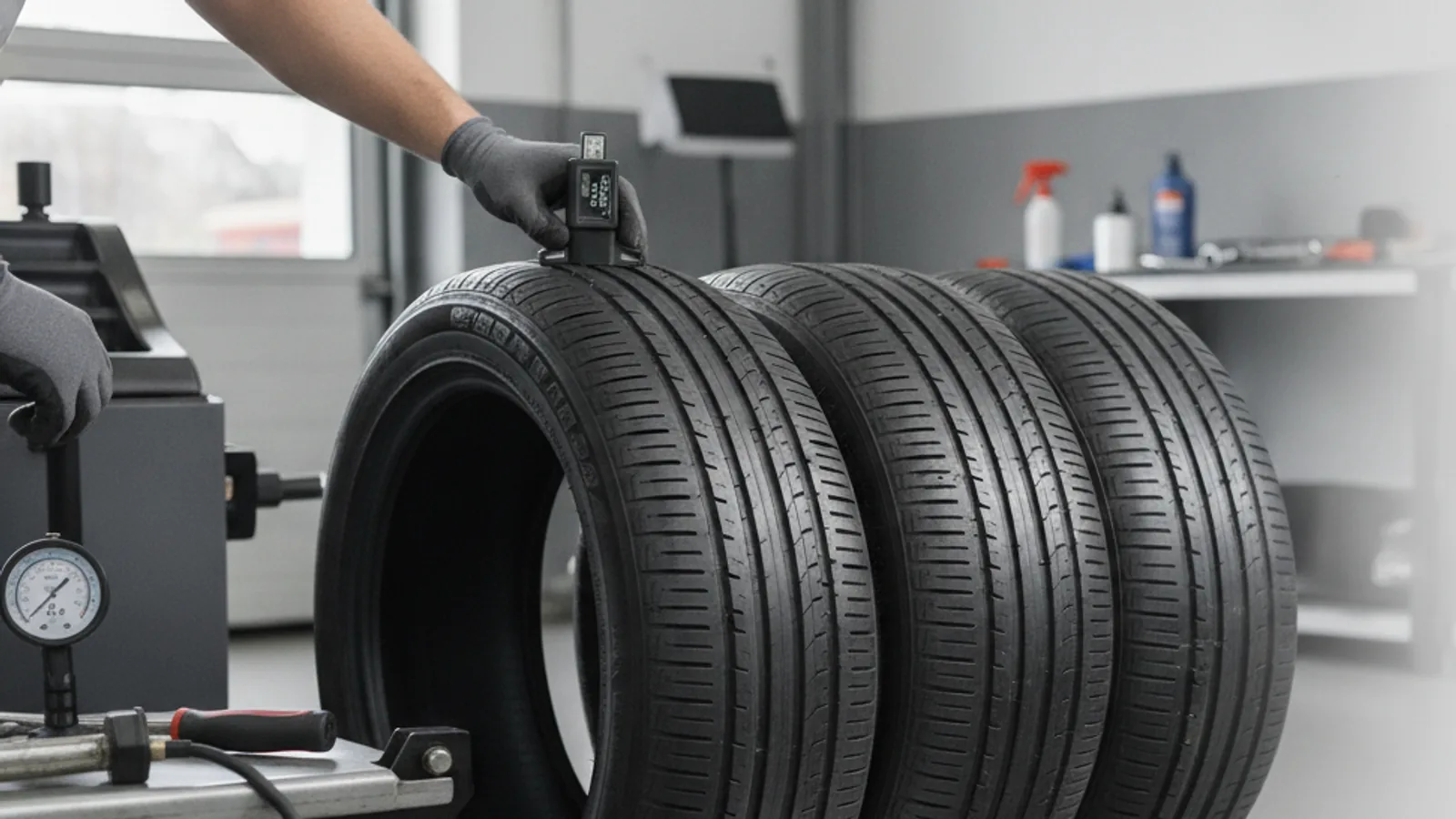
Tread depth is crucial for wet grip and aquaplaning resistance. The legal minimum in the UK is 1.6mm, but for safety, consider replacing tyres at 3mm for motorway use. To check, insert a 20p coin into the main tread grooves. If you cannot see the outer rim of the coin, your tread depth is at least 3mm, which is good. If you can see the rim, the tread is below 3mm, and you should consider replacing the tyre or seeking a professional opinion. Check in multiple locations across the tyre, especially near the edges, as wear can be uneven. Uneven wear may indicate misalignment or incorrect pressure, which you should address. Adequate tread channels water away, preventing the tyre from gliding on a film of water, which is a major risk on motorways where spray and heavy rain are common.
Examine Sidewalls and Valve Condition
Visually inspect the sidewall of each tyre for cracks, bulges, or cuts. These can be caused by kerbing or ageing and can lead to a blowout. Run your hand carefully along the sidewall to feel for bulges or depressions. Also, check the valve stem for damage, cracks, or leaks. Apply a little soapy water to the valve; if bubbles appear, there is a slow leak. Ensure the valve cap is present and tight, as it keeps out dirt and moisture. If you notice any damage, do not drive on that tyre; have it inspected by a professional or replace it. On the motorway, a sidewall failure can be catastrophic because you are travelling at high speed. A routine inspection takes just a few minutes but can save you from a dangerous situation.
Check for Embedded Objects and Wear
Look at the entire surface of the tyre for stones, nails, glass, or other debris embedded in the tread. Use a small tool, like a screwdriver, to carefully remove any stones you find; they can work their way deeper and damage the casing. For sharp objects like nails, do not attempt to remove them if they are deeply lodged; mark the area and get a professional opinion. Also, check the tread for signs of uneven wear: if the edges are more worn than the centre, the tyre may be underinflated; if the centre is worn, it may be overinflated. This not only shortens tyre life but can affect handling. Pay attention to any vibrations or pulling while driving, which might indicate a problem. Removing debris and monitoring wear helps maintain tyre integrity, reducing the risk of a puncture at speed.
Adjust Pressures for Full Load and Allow Time
If your car will be fully loaded (passengers and luggage), set the tyre pressures to the 'full load' or 'heavy load' specification, which is often higher than normal. This compensates for the extra weight, ensuring the tyres do not overheat and maintain proper contact with the road. Refer to the manual for the correct figures. After adjusting, pressurise the tyres to the recommended level; when you do this, drive for a few miles, then re-check the pressures when the tyres have cooled down. This is because pressures increase with heat, so a warm reading will be higher. Doing this the day before your trip gives you time to adjust and correct any issues without rushing on the morning of departure. Proper load-adjusted pressures provide stability and even wear, particularly important on long motorway stretches.
Quick Reference
| Situation | Action | Why it helps |
|---|---|---|
| Before a long motorway trip, need to check tyre pressure. | Find the recommended PSI in the owner's manual or door sticker, then use a reliable gauge to set each cold tyre to that number. | Correct pressure prevents overheating, improves fuel efficiency, and ensures stable handling at high speeds. |
| Tread depth appears low or you have no gauge. | Insert a 20p coin into the tread; if the outer rim is visible, replace the tyre or consult a professional immediately. | Adequate tread depth (at least 3mm) is vital for water displacement and reducing aquaplaning risk on wet motorways. |
| Spot a nail or sharp object embedded in a tyre. | Do not remove it. Mark the location and take the vehicle to a professional to assess if repair is possible or if replacement is needed. | Removing the object without proper repair can cause a sudden puncture or blowout, especially dangerous at motorway speeds. |
Common Issues
- Tyre pressure warning light comes on during a trip.: Stop at the next safe area, check the indicated tyre's pressure with your gauge, and inflate it to the recommended level. If it deflates quickly, fit your spare or call for roadside assistance.
- Uneven tread wear on one side.: This indicates misalignment or incorrect pressure. After checking and adjusting the pressure, have the wheel alignment checked by a garage. Avoid long motorway trips until it's corrected to prevent further tyre damage.
- Vibration felt through the steering wheel on the motorway.: First, check tyre pressures. If they are fine, the tyres may be out of balance. Visit a tyre specialist to have them balanced; this resolves most vibrations and prevents uneven wear.
Advanced Tips
- If you drive a lot on motorways, consider using tyres with an A or B wet grip rating for better safety in rain.
- Use nitrogen instead of air for tyre inflation; it maintains pressure better and reduces oxidation on the inner sidewalls.
- Always carry a portable tyre inflator and a quality gauge in the car, so you can adjust pressures before returning home from a trip.
Final Checklist
- Confirm cold pressures are set to the full-load specifications from your manual.
- Inspect each tyre for sidewall bulges, cuts, and foreign objects; remove safe debris.
- Measure tread depth with a 20p coin and ensure the rim is not visible.
- Ensure every valve cap is on tight and the spare tyre is checked if you have one.
FAQ
How often should I check my tyre pressure before a long journey?
Check at least a day before departure, when tyres are cold. Also, check after loading the vehicle, as load affects pressure needs. During the trip, monitor the tyre pressure warning system if your car has one.
What is the best way to measure tread depth without a tool?
Use a 20p coin. Insert it into the main tread grooves. If you can see the outer rim of the coin, your tread is below 3mm, and you should consider replacing the tyres, especially for motorways.
Why is it important to use the full-load pressure for a loaded car?
Under-inflated tyres under load flex more, generating heat and increasing the risk of a blowout. The full-load pressure supports the extra weight, maintaining proper shape and cooling.