How To Plan Preparing Tyres For A Long Motorway Journey
A practical step-by-step guide to how to plan preparing tyres for a long motorway journey, including preparation, instructions, common issues, tips, and next steps.

How To Plan Preparing Tyres For A Long Motorway Journey
Planning your tyres for a long motorway journey is essential for safety, comfort, and fuel efficiency. This guide walks you through checking tread depth, pressure, and overall condition, plus loading and driving tips to ensure a smooth and secure trip.
Fast Answer
- Check tyre pressure when cold and adjust to the vehicle manufacturer's recommended settings before you set off, including the spare if you carry one.
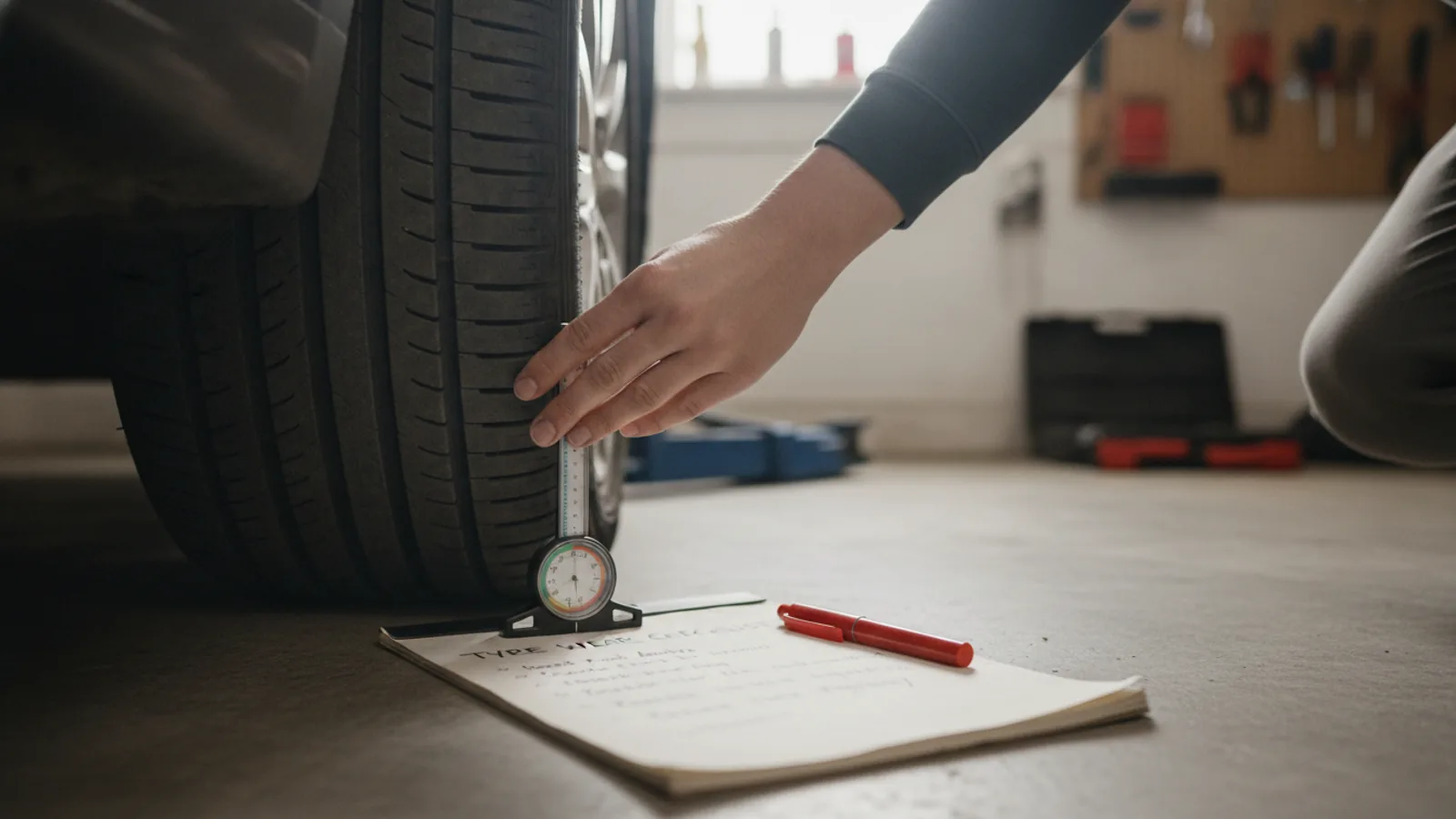
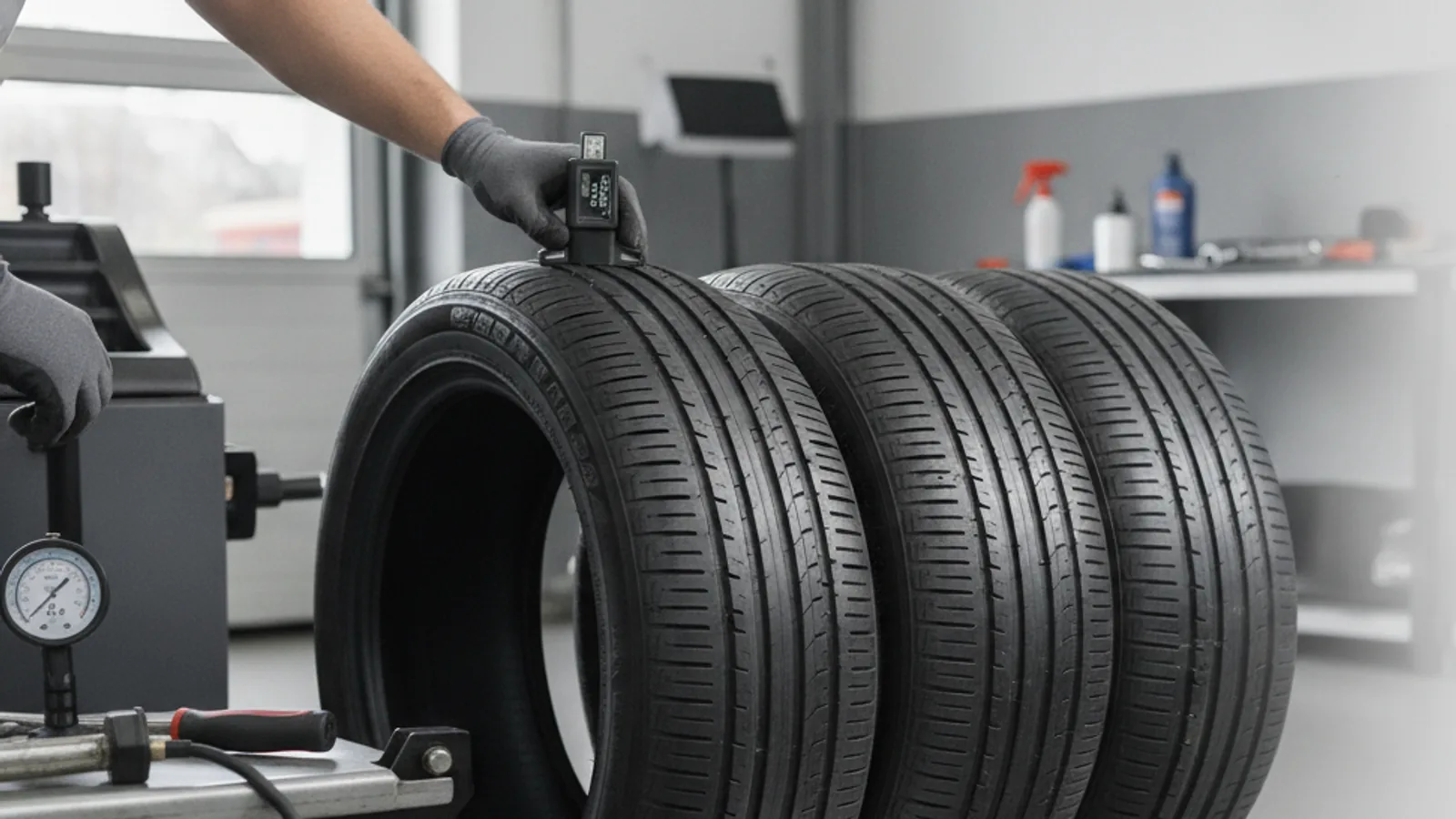
- Inspect tread depth across each tyre using a 20p coin test to ensure at least 1.6mm, and look for any cuts, bulges, or embedded objects.
Before You Start
- Gather a reliable tyre pressure gauge, a tread depth tool, a torch for close inspection, and your vehicle's owner's manual for specified pressures.
- Inspect each tyre's sidewalls and tread for cuts, bulges, cracks, or foreign objects like nails; replace any tyre showing damage.
- Check the spare tyre's condition and pressure, if fitted, to ensure it is ready for an emergency change.
- Verify that you have the correct tools for wheel changes, such as a jack and wrench, and practice safely if unfamiliar.
Step-by-Step Instructions
Gather Your Tools and Information
Start by collecting the essential items for a thorough tyre check: a reliable pressure gauge (either digital or dial), a tread depth tool or a 20p coin, a torch, and a clean cloth. You'll also need your vehicle's owner's manual or a placard inside the driver's door frame that lists the recommended tyre pressures for front and rear axles, which may differ depending on load. If the manual is missing, check the fuel filler cap or glovebox for a sticker. Ensure you have access to an air compressor at a petrol station or your garage, and remember to check the spare tyre as well. Good preparation means you won't guess at figures or miss any tyres, and having the right pressure prevents uneven wear and overheating during a long motorway run. Take note of the outside temperature as this affects pressure readings, so plan to check when tyres are cool.
Check Tread Depth and Condition
With your tread depth tool or a 20p coin, measure the tread depth in several places across each tyre’s central and edge grooves. Insert the coin into the tread so the outer band is uppermost; if you can see the band, the tread is below the legal minimum of 1.6mm, and you must replace the tyre. The tool gives a precise reading; replace tyres that are 3mm or below for better motorway grip. Look closely at the sidewalls and tyre shoulders for cuts, bulges, cracks, or any embedded objects like nails or stones. A bulge indicates internal damage that could lead to a blowout. Rotate the wheel slowly and run your hand over the surface to feel for uneven wear, which may signal alignment or suspension issues. This check is critical because thinning or damaged tread reduces water evacuation, increasing the risk of aquaplaning on rainy motorways.
Measure Pressure When Cold
Tyre pressure must be checked when the tyres are cold, ideally before any driving or at least three hours after a trip, because heat from friction raises pressure and gives a false reading. Remove the valve cap and press the gauge firmly onto the valve stem to get a steady reading. Compare it with the recommended figures from your manual, which typically apply to cold tyres and may vary for light or fully loaded conditions. If the pressure is low, inflate the tyre to the specified value, using an air compressor and inflating in short bursts. If it's high, release air gradually by pressing the valve core with a small tool. Repeat for all tyres, including the spare if your vehicle carries one. Remember that proper inflation ensures even contact with the road, reduces rolling resistance, and prevents overheating, which is crucial for long distance driving at high speeds.
Inspect Sidewalls for Damage
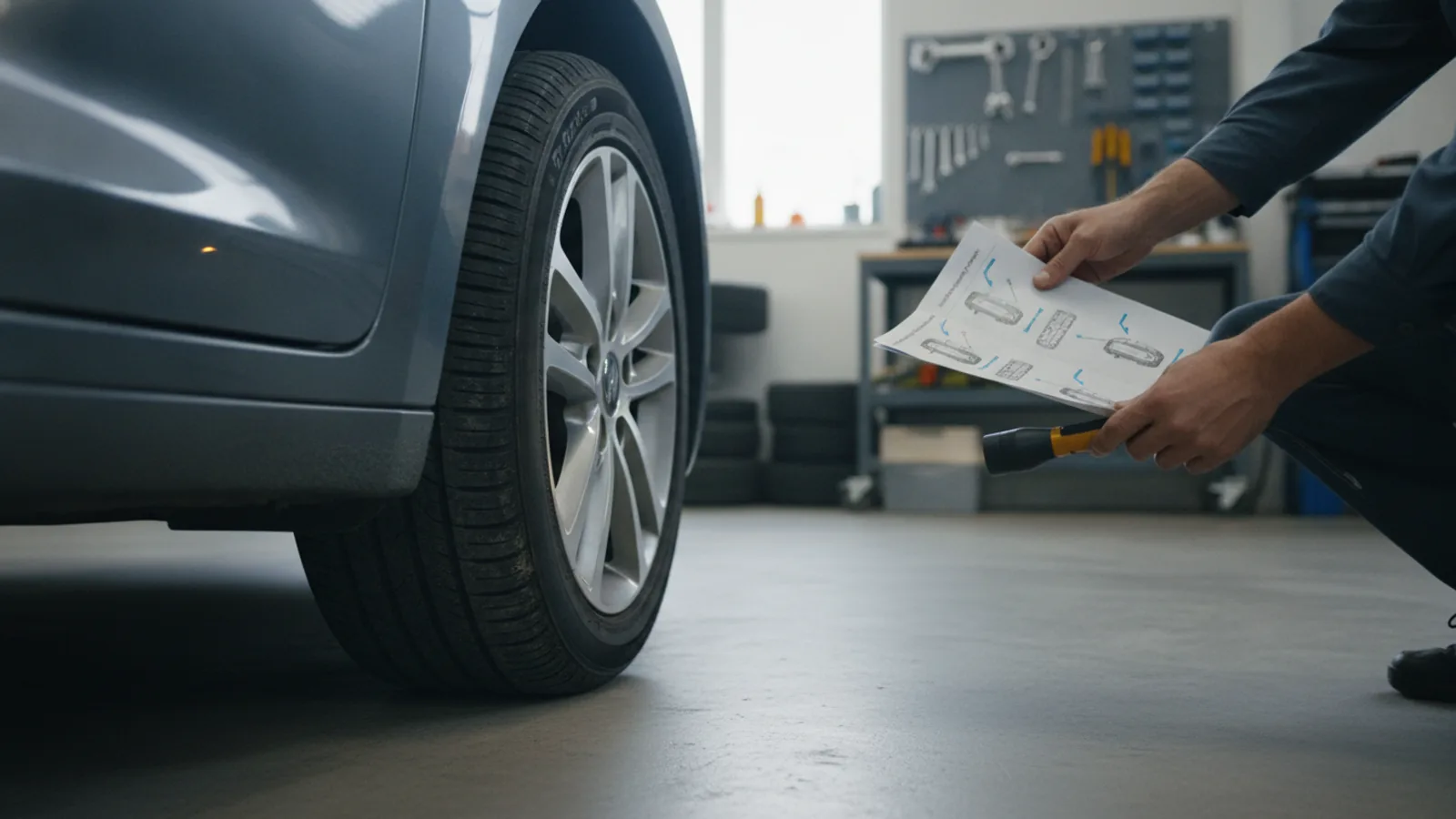
Thoroughly examine the sidewalls of each tyre, running your fingers along the rubber to detect any cracks, cuts, or bulges. Pay special attention to areas where the tyre may have scraped a kerb or pothole, as these can weaken the structure. Check for any objects embedded in the rubber, such as nails or screws, and note any punctures that may not have caused immediate deflation. If you find a bulge or a deep cut, do not drive on that tyre – it could fail fatally. Also, inspect the valve stems for cracks or leaks; a damaged valve can cause slow pressure loss. Use a soapy water solution to check for leaks around the valve and any suspicious spots – if you see bubbles, you have a leak. This step is vital because sidewall damage is not always visible from a distance, and ignoring it can lead to a sudden blowout on the motorway.
Consider Load and Speed Ratings
When planning a long motorway journey, check that your tyres have the correct load and speed ratings for your vehicle and the conditions you expect. These codes are printed on the sidewall, such as 91H or 105V, and they indicate the maximum load a tyre can bear and the maximum safe speed. If you are travelling with a full car or luggage, ensure your tyres can handle the extra weight, and if your vehicle specification demands a higher rating, stick to it. Also, remember that motorway speeds generate more heat, so tyres need to be rated for sustained high speed. If you have any doubts, consult your vehicle manual or a tyre professional. This check is important because an overloaded tyre can overheat and fail, and a tyre with inadequate speed rating could also become unsafe.
Plan for Emergencies and Adjustments
Before setting off, develop a clear plan for handling a tyre emergency. Ensure your car has a functioning jack, wheel wrench, and a safely inflated spare tyre. If you can't change a tyre safely, arrange for breakdown cover and have contact numbers saved. While driving, avoid sudden braking, sharp turns, and high speeds – all increase tyre wear. Also, be aware that tyre pressures rise with heat on a long trip, so you may need to let air out periodically if you notice the tyre feels hot and hard during a stop. However, only adjust when the tyre has cooled at a safe rest area. To monitor your tyres during motorway driving, be attentive to any vibrations or pulling to one side, which could indicate a slow puncture or imbalance. Pull over safely and inspect if you suspect any issue.
Quick Reference
| Situation | Action | Why it helps |
|---|---|---|
| The Aire Valley motorway service station is 50 miles ahead and you need to check tyre pressure before continuing your trip in 90-minute driving. | Stop by the compressor at the service station after the tyres have cooled (at least 2 hours rest), inflate all tyres to the manufacturer's specified kPa, and re-check with your gauge. | Accurate cold pressure ensures correct contact patch, preventing uneven tread wear and reducing the risk of blowouts during sustained high-speed driving. |
| You noticed a vibration in the steering wheel at 70 mph, which suggests possible imbalance or a slow puncture. | Pull over at the next safe place, check each tyre visually and with your hands for bumps or embedded objects, and use a pressure gauge to compare readings across all tyres. | Diagnosing vibrations early can prevent a dangerous blowout and also protects suspension components from further damage. |
| Heavy rain is forecast for your motorway route and you are concerned about aquaplaning. | Before leaving, ensure your tread depth is at least 3mm by using a depth gauge, then when on the road, slow down to at least 10 mph below the legal limit and avoid sudden steering. | Deeper tread channels water away effectively, maintaining grip on wet surfaces and reducing the likelihood of losing control in heavy rain. |
Common Issues
- Tyre pressure warning light illuminates on the dashboard during the journey.: Do not ignore it. Safely pull over when possible and check the pressure of all tyres, including the spare. If a tyre is low, inflate to the recommended pressure and if it continues to lose pressure, replace it or call for breakdown assistance.
- You find a nail embedded in the tyre tread but the tyre is not flat.: Do not remove the nail with your hands. If the puncture is in the central tread and the tyre is otherwise sound, a professional might repair it if the nail is removed and a patch is applied from inside. If in doubt, replace the tyre – driving on a punctured tyre can eventually lead to a blowout.
- You notice that one tyre has significantly lower pressure than the others at each stop.: This usually indicates a slow leak, often due to a valve seal issue or a small puncture. Have the tyre inspected by a specialist to locate the leak, and repair or replace the tyre before continuing. Meanwhile, monitor pressure frequently and inflate as needed.
Advanced Tips
- For long motorway journeys, consider swapping to a set of winter tyres if you expect cold rain or frost, as they offer better grip below 7°C, even in dry conditions.
- Invest in tyre pressure monitoring sensors (TPMS) if your car doesn't have factory-fitted ones – they alert you to slow punctures in real time, which is especially useful on motorways.
- Align your wheels before a big trip if you notice uneven tread wear – misalignment not only ruins tyres faster but also reduces fuel economy, which is costly on a long drive.
Final Checklist
- Use a 20p coin or depth gauge to confirm tread depth is above 1.6mm across all tyres, and consider at least 3mm for motorway conditions.
- Measure tyre pressure when cold and adjust all tyres to the recommended kPa from your manual, including the spare.
- Visually inspect sidewalls and tread for cuts, bulges, or embedded objects; replace any damage immediately.
- Pack a tyre repair kit, portable compressor, and torch in the boot in case of an unexpected puncture.
FAQ
How often should I stop to check tyre pressure during a long motorway journey?
You should check your tyre pressure before setting off, and then again after about two hours of driving when the tyres have cooled at a rest stop. Subsequently, it is wise to check if you notice any change in vehicle handling, but regular stops every 200 miles or every few hours are sufficient. Remember that pressure naturally rises with heat, so avoid letting air out unless you've confirmed the pressure is above the recommended cold setting for a long period. Always use a reliable gauge and refer to your vehicle's manual for the correct settings.
What is the best way to store a spare tyre for a motorway trip?
Ensure the spare tyre is fully inflated to the recommended pressure, which is typically higher than the regular tyres. Store it in its designated location, either in a wheel well or under the car, and make sure it is securely fixed to prevent theft or movement. Check its condition periodically, especially the sidewall for cracks, and replace it if it shows signs of aging or damage. In hot weather, keep it away from direct heat, as prolonged heat exposure can degrade the rubber, but the vehicle's design should protect it.
Can I drive a short distance on a visibly underinflated tyre to reach a service station?
If the tyre has significantly low pressure, such as below 20 psi (1.4 bar), it is unsafe to drive even a short distance, as the sidewall can flex excessively and overheat, leading to a blowout. If you must move the car, you can risk a very short journey at low speed (under 20 mph) to get to a safe place, but ideally, you should change to your spare or call for breakdown assistance. Driving on a flat tyre degrades the tyre permanently and damages the wheel. Always prioritise safety over reaching a service station.