How To Plan Choosing Replacement Tyres For Everyday City Driving
A practical step-by-step guide to how to plan choosing replacement tyres for everyday city driving, including preparation, instructions, common issues, tips, and next steps.

How To Plan Choosing Replacement Tyres For Everyday City Driving
Choosing replacement tyres for everyday city driving involves balancing safety, comfort, and durability while matching your vehicle's requirements and local conditions. This guide walks you through assessing your needs, reading tyre markings, comparing options, avoiding common mistakes, and maintaining your new tyres for a smooth, economical, and secure driving experience in urban environments.
Fast Answer
- Check your vehicle's owner's manual or the tyre information sticker on the driver's door frame for the recommended tyre size, load index, and speed rating.
- For city driving, choose all-season tyres with a focus on wet grip, low rolling resistance, and a tread pattern that minimizes road noise, while staying within your budget.
Before You Start
- Find the tyre size, load index, and speed rating on the sidewall of your current tyres or in the vehicle's owner's manual; record these details.
- Assess your typical driving conditions, such as frequent rain, potholes, or long daily commutes, and note any comfort or fuel economy priorities.
- Read online reviews from trusted automotive sources and forums, focusing on real-world experiences with city driving, but avoid brand-specific hype.
- Set a realistic budget that includes the cost of four tyres, balancing, and installation, and verify if your preferred tyre shop has a current promotion.
Step-by-Step Instructions
Decode Your Vehicle's Tyre Requirements
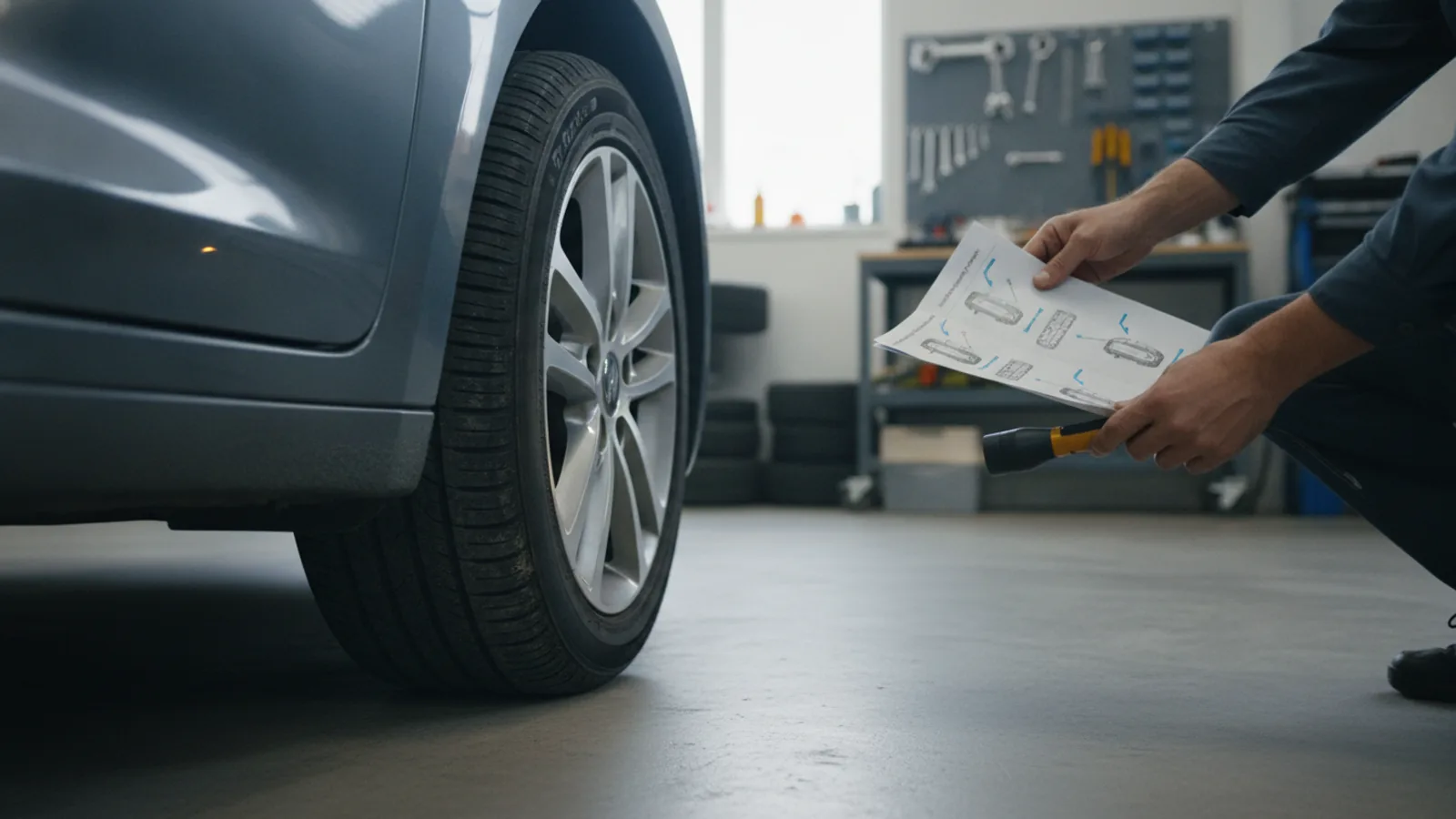
Begin by locating the factory-recommended tyre specifications for your vehicle. Look for a sticker inside the driver's side door frame, in the glove box, or in the owner's manual. Note the tyre size, which appears as a series such as 205/55R16, followed by a load index (a two-digit number) and a speed rating (a letter). These numbers and letters indicate the tyre's width, aspect ratio, construction, rim diameter, maximum load capacity, and maximum safe speed. Write these details down exactly as they appear. Also check the original equipment tyre's sidewall to see the full markings. This step is critical because using a wrong size or rating can affect your speedometer accuracy, vehicle handling, and even warranty coverage. If you cannot find the information, ask a reputable tyre shop to look it up for your vehicle's year, make, and model.
Evaluate Your City Driving Conditions
Think about how and where you drive most days. City driving often means stopping and starting at traffic lights, navigating over potholes and manhole covers, driving on wet or rain-slicked streets, and occasionally hitting a curb while parking. You may also need to carry passengers or cargo, which increases the load on your tyres. Consider whether you value a quiet ride, a smooth feel, or low fuel consumption. Also think about local weather: if you experience heavy rains, choose a tyre with excellent wet-grip technology; if your region sees mild winters with occasional snow, an all-season tyre with a severe snow rating might be useful. Write down a list of your top three priorities, such as safety, comfort, and fuel economy. This list will guide your decision because a tyre perfect for a pickup truck may be too stiff for a compact car, and a high-performance sports tyre may wear quickly in stop-and-go traffic.
Research Tyre Types for Urban Traffic
For everyday city driving, you have three main categories to consider: all-season, summer, and winter tyres. All-season tyres are the most popular choice because they offer a reasonable balance of grip in dry and wet conditions, and they perform acceptably in light snow. Summer tyres provide superior handling and shorter braking distances on dry roads but are unsafe in freezing temperatures. Winter tyres have deep tread patterns and softer rubber for snow and ice, but they wear quickly in warm weather and raise fuel consumption. Given that city driving rarely involves extreme winter conditions, all-season tyres are usually the practical default. Also, check the European tyre label for the tyre's rolling-resistance class and wet-grip rating, if available in your region. Choose a tyre with a B rating or better for wet grip to improve safety on rain-slicked streets. This research ensures you select a tyre type that matches your real driving conditions rather than one that looks appealing.
Compare Tyres Using Treadwear and Noise Ratings
Once you shortlist a few tyres, compare their numbers and ratings. Look at the uniform tyre quality grade (UTQG) for treadwear, traction, and temperature. A higher treadwear number (e.g., 600) suggests the tyre may last longer, but it can mean a harder compound with less grip. Traction grades such as AA, A, B, or C indicate wet braking ability; choose the highest available grade. Also, consult the European tyre label for rolling resistance and wet grip. Rolling resistance classes range from A to G, with A being the most energy-efficient, which can save fuel in stop-and-go city traffic. For road noise, check the label's decibel value (e.g., 68 dB) or read reviews that mention cabin quietness. When comparing two tyres with similar grip, pick the one with the lower rolling-resistance class and noise level to enhance comfort and economy. Always compare tyres within the same size category, as a larger aspect ratio may absorb potholes better but reduce steering feel.
Set a Realistic Budget and Check for Fitting Services
Set a budget before you visit a shop, but do not sacrifice safety for the lowest price. You need to cover the cost of four tyres, valve stems, balancing, and disposal of old tyres. Some shops offer free installation with a tyre package, while others charge per tyre for fitting and balancing. Get quotes from at least two local tyre shops or online retailers, but remember that online-only purchases usually require a local shop to install them. Always ask what the total out-the-door price is, including any taxes and fees. Additionally, ask if the shop offers a road-hazard warranty or a treadwear warranty, as these can protect your investment. If you have to choose between a slightly more expensive tyre with a high wet-grip rating and a cheaper one with a poor rating, choose the safer option; long-term costs from a crash are far higher. This careful budgeting ensures you are not caught off-guard by hidden fees, and you understand the full cost of replacement.
Inspect and Maintain Your New Tyres Properly
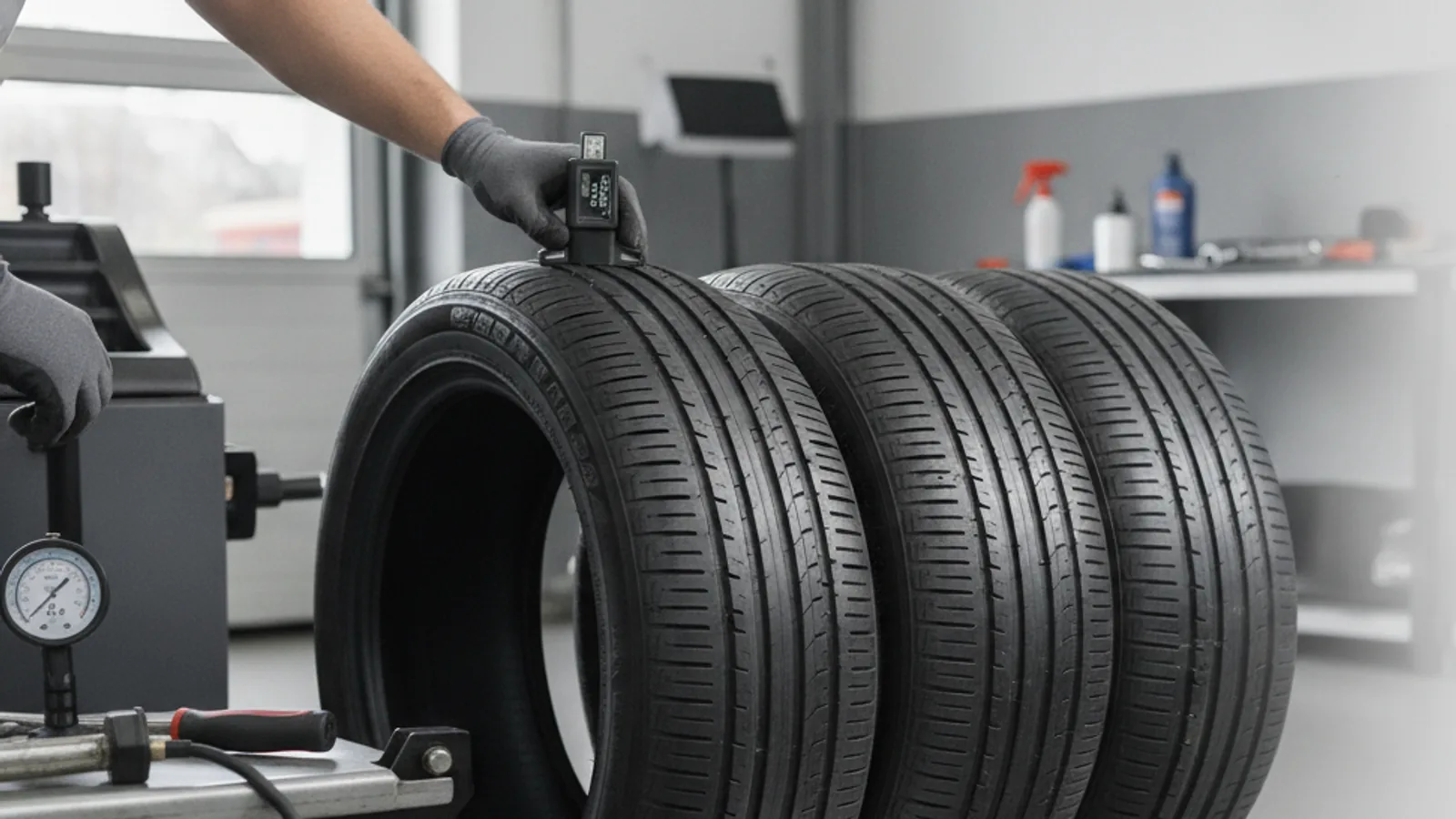
After your new tyres are fitted, ask the technician to show you the correct inflation pressure printed on a sticker in the door jamb. Check the pressure at least once a month or before long trips using your own tyre gauge. Underinflated tyres increase rolling resistance, lower fuel economy, and generate more heat, which can lead to blowouts. Overinflated tyres reduce grip and cause uneven wear. Also, ensure the tyres are balanced and that the wheel alignment is set to factory specs; misalignment can cause rapid feathering on the edge of the tread. Every 5,000–8,000 km or every six months, rotate your tyres from front to rear (or as the vehicle manufacturer recommends) to promote even wear. Visually inspect the tread depth with a penny or tread-depth gauge; if you see any cuts, bulges, or embedded objects, have them examined. Proper maintenance extends tyre life, improves safety, and maintains a comfortable ride in city conditions.
Quick Reference
| Situation | Action | Why it helps |
|---|---|---|
| Driving in heavy rain and worn tyres | Replace tyres before the tread depth drops below 1.6 mm; consider a tyre with a high wet-grip rating and deeper tread grooves. | Deeper tread channels water away from the contact patch, reducing the risk of hydroplaning and keeping braking distances short. |
| Frequent stops and starts in traffic | Choose tyres with a lower rolling-resistance class and a higher treadwear rating to minimize fuel consumption and long-term wear. | Lower rolling resistance reduces the energy lost to tyre deformation, which cuts fuel use, while a higher treadwear rating extends the tyre's lifespan under abrasive city friction. |
| Noise and discomfort on rough roads | Check the tyre's decibel rating and choose a model with a reinforced sidewall or a soft compound, and maintain proper inflation pressure. | A lower noise rating indicates quieter operation, and correct pressure absorbs impacts from potholes and manhole covers, making the ride smoother and less fatiguing. |
Common Issues
- Tyres wear out quickly in the inner or outer edges: Have your wheel alignment checked and corrected to the vehicle manufacturer's specifications. Also check the inflation pressure and rotate tyres regularly.
- Vibration in the steering wheel at city speeds: Re-balance the tyre and wheel assembly or check for a bulging sidewall or damaged belt caused by hitting a curb or pothole. Inspect the tyre for any visible damage.
- Reduced fuel economy after fitting new tyres: Check that the new tyres are inflated to the recommended pressure, and confirm that you chose the correct size and load index. Consider tyres with a better rolling-resistance rating.
Advanced Tips
- Consider buying a full-size spare tyre instead of a temporary repair kit; it allows you to continue your journey without an immediate tyre replacement in case of a puncture.
- If your vehicle is equipped with a tyre-pressure monitoring system, use its readings to track slow leaks and pressure changes as you drive daily.
- Evaluate whether a run-flat design suits your city driving style, as it allows you to drive a limited distance after a puncture, but consult your vehicle's manual for compatibility.
Final Checklist
- Verify the tyre size, load index, and speed rating match the sticker inside your driver's door or owner's manual.
- Ask the technician to show you the date stamp on the new tyres to ensure they are less than two years old.
- Review the shop's warranty policy for treadwear and workmanship before you pay.
- Record the correct inflation pressure for your vehicle and make a habit of checking it monthly.
FAQ
How often should I rotate my tyres for city driving?
Aim to rotate your tyres every 5,000 to 8,000 kilometres or every six months, whichever comes first. City driving with many stops and turns places extra stress on the front tyres, so regular rotation promotes even wear. Always follow the rotation pattern recommended in your vehicle owner's manual.
What is the difference between the load index and speed rating?
The load index (a number from 65 to 125) indicates the maximum weight a tyre can carry at a specified pressure. The speed rating (a letter from L to Y) shows the maximum speed for which the tyre is certified. These ratings must meet or exceed your vehicle's requirements to ensure safe performance, especially when carrying passengers or cargo.
Can I replace only two tyres at a time?
It is best to replace all four tyres to maintain balanced handling and traction. If you must replace only two, put the new tyres on the rear axle, even if your vehicle is front-wheel drive. This helps prevent oversteer and maintains stability in emergency maneuvers, especially on wet roads.