How To Plan A Winter Wheel Care Routine For Salted Roads
A practical step-by-step guide to how to plan a winter wheel-care routine for salted roads, including preparation, instructions, common issues, tips, and next steps.
How To Plan A Winter Wheel Care Routine For Salted Roads
Winter roads are often salted to melt ice, but that salt can cling to your wheels and cause rust, corrosion, and brake damage if left unchecked. This guide walks you through a complete wheel-care routine designed for salted roads, from pre-winter preparation to weekly cleaning and protective treatments. You will learn how to rinse off salt safely, choose the right cleaning products, apply wax or sealant, and inspect for damage. The routine is practical, uses common household items or basic automotive supplies, and helps extend the life of your wheels and brakes. By following these steps, you reduce corrosion, maintain a clean appearance, and avoid costly repairs. The guide also covers common issues like stubborn brake dust and offers advanced tips for extra protection.
Fast Answer
- Rinse your wheels with plain water to remove loose salt, then wash with a pH-neutral wheel cleaner and a soft brush, and dry thoroughly.
- Apply a coat of automotive wax or a dedicated wheel sealant before winter and reapply monthly to create a protective barrier against salt.
Before You Start
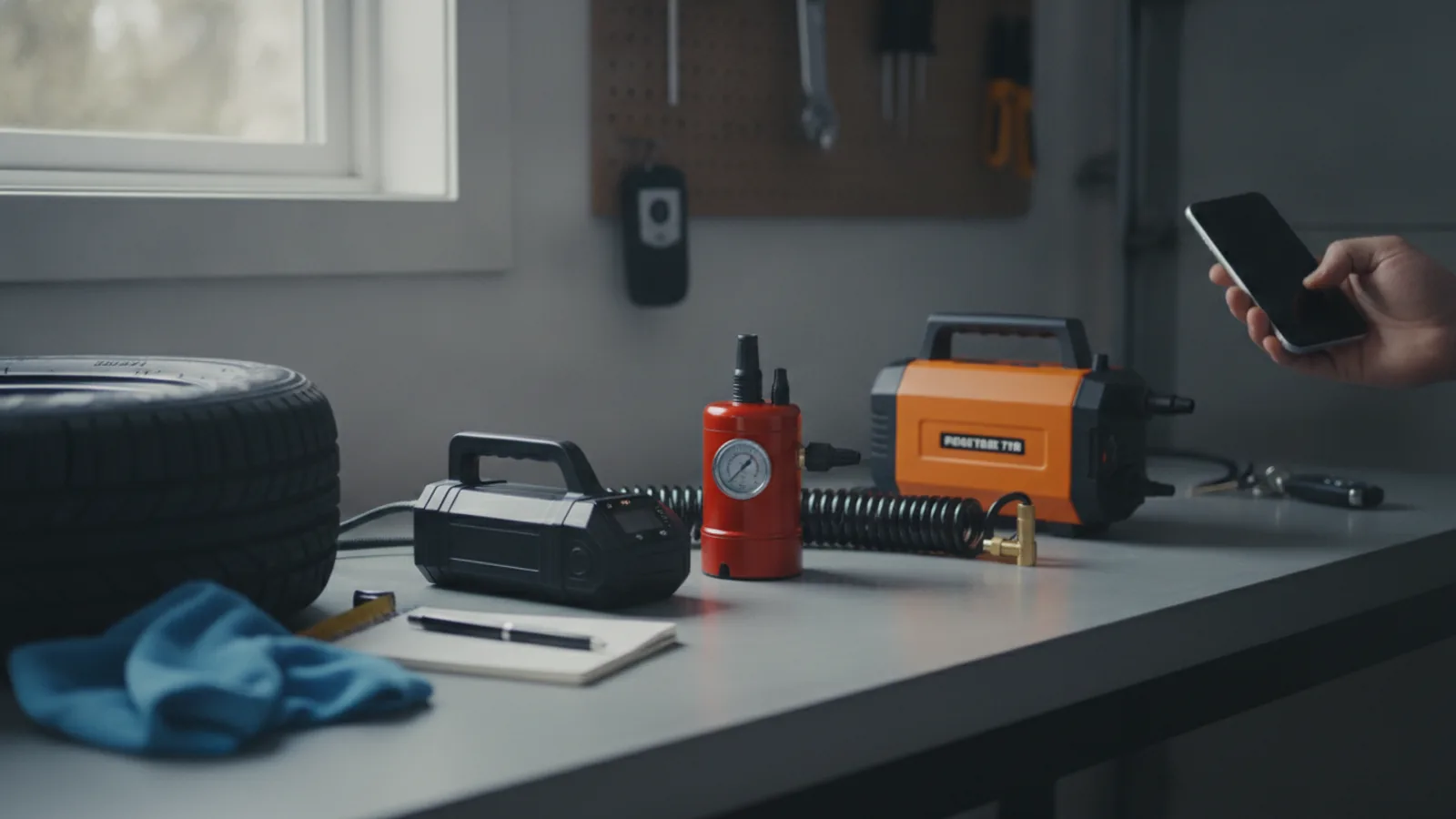
- Gather a bucket, pH-neutral wheel cleaner, a soft-bristled brush or microfiber mitt, a hose with spray nozzle, and clean microfiber towels.
- Check your owner's manual for any specific wheel cleaning recommendations; some finishes require special care.
- Find a spot where you can wash wheels without freezing water causing icy mess; ideally, a garage or sheltered area.
- If possible, clean wheels when they are cool to the touch to prevent cleaner from drying quickly or causing spotting.
Step-by-Step Instructions
Rinse Off Loose Salt and Debris
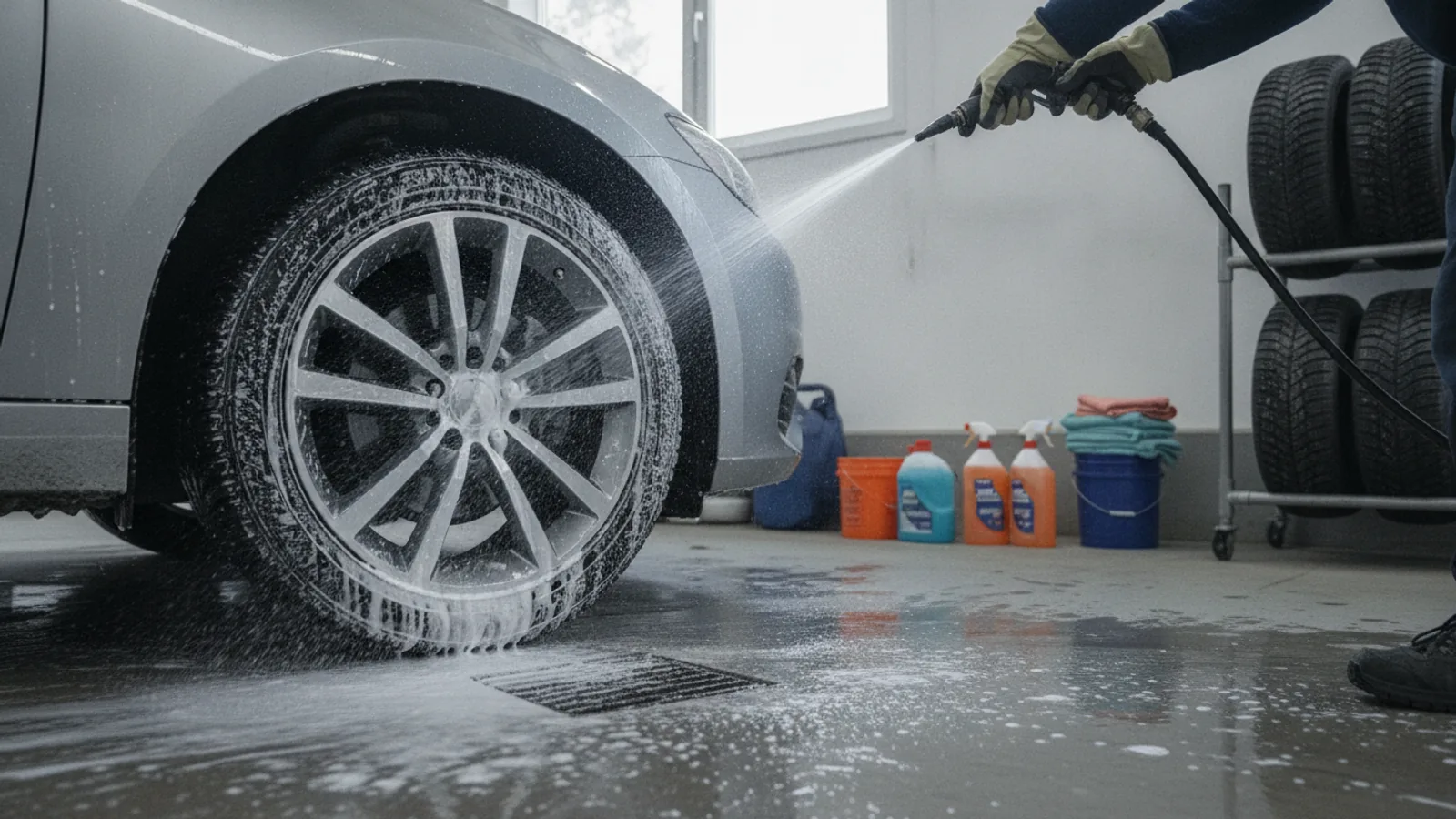
Start by giving each wheel a thorough rinse with a steady stream of water from a hose. Use the spray nozzle set to a medium pressure to remove loose salt, mud, and road grime that have built up during the last drive. Angle the nozzle to reach inside the wheel spokes, the barrel, and the brake caliper area. This initial rinse prevents gritty particles from scratching the finish when you later use a brush or mitt. It also dissolves a good amount of salt before you apply any cleaning products. Make sure you cover the entire wheel, including the tire sidewall, because salt can hide in crevices. A quick rinse is not enough, but it sets the stage for deeper cleaning. Take your time and be thorough, as this step reduces the amount of dirt you'll need to scrub off. If you have a underbody spray nozzle, consider using it to wet the wheel wells as well.
Apply pH-Neutral Wheel Cleaner
After rinsing, spray or apply a pH-neutral wheel cleaner liberally over the entire wheel and tire. Choose a cleaner specifically labeled as safe for all wheel finishes, especially if you have aftermarket or painted wheels. Let the cleaner sit for the time specified on the product label, usually two to three minutes, to break down brake dust and road grime. Do not allow the cleaner to dry, as this can cause streaks or residue. Work on one wheel at a time to ensure the cleaner doesn't dry before you agitate it. If your wheels are very dirty, you might need to apply more product. Always follow the manufacturer's instructions for dilution if it's a concentrate. This step chemically loosens the salt and dirt, making the next brushing easier and more effective.
Scrub Gently with a Soft Brush
Use a soft-bristled brush or a microfiber mitt to scrub the wheel surfaces, working from inside to out. For wheel spokes and tight areas, a detailing brush helps reach into crevices. Dip the brush in clean water or the wheel cleaner solution to keep it lubricated. Scrub the face of the wheel, the barrel, and the edges around the lug nuts. Avoid pressing too hard, especially on clear-coated or painted wheels, to prevent scratching. Pay special attention to areas where salt and brake dust accumulate, like behind the spokes and near the hub. As you scrub, you'll see the grime lift away. If you notice stubborn spots, reapply cleaner and let it sit a bit longer. This mechanical agitation is crucial because salt particles become embedded in dirt, and brushing lifts them away.
Rinse Again Thoroughly
Once you've scrubbed every area, rinse the wheel again with a strong stream of clean water to remove all loosened dirt and cleaning solution. Start at the top and work your way down, ensuring no soap residue remains in any crevice. It's important to rinse the wheel barrel, the back of the spokes, and around the brake caliper. Any leftover cleaner can dry to a film that attracts more dirt. Use your fingers or a soft cloth to wipe away any visible suds. If you have a pressure washer, you can use a wide fan setting, but keep it at a safe distance to avoid forcing water into bearings. After this rinse, do a final visual inspection: the wheel should look clean, with no soap streaks or dirt spots. If you see any, repeat the washing step for those areas.
Dry the Wheels Completely
Use clean, dry microfiber towels to dry the wheels thoroughly, including the tire sidewalls. Air drying might seem easier, but it leaves water spots and can cause mineral deposits to bond to the finish. Drying also helps you spot any remaining dirt or residue that you might have missed. Use a blotting motion rather than wiping hard, to avoid picking up any tiny particles that could scratch. Pay attention to the lug nut area and the hub, where water can hide. Once the wheels are dry, wait a few minutes and check if any water has seeped out from behind the wheel; if so, dry that area too. This step ensures the protective coating you apply next adheres properly and lasts longer.
Apply Protective Wax or Sealant
After drying, apply a thin layer of automotive wax or a dedicated wheel sealant to the wheel surfaces. Use a soft applicator pad and follow the product instructions. Rub it in evenly, then let it haze and buff off with a clean microfiber cloth. This layer creates a hydrophobic barrier that makes it harder for salt and dirt to stick, and it makes future cleaning easier. Focus on the face of the wheel and the outer rim; you can also coat the lug nut area but avoid getting product on the brake rotor. Allow the wax or sealant to cure fully before driving the car, usually a few hours, to maximize its durability. Reapply monthly for best protection, or more often if you wash your car frequently.
Quick Reference
| Situation | Action | Why it helps |
|---|---|---|
| You drive on salted roads every day and want to minimize rust buildup on your wheels. | Rinse your wheels with plain water every day or two (depending on salt exposure) and perform a full wash and wax at least every two weeks. | Frequent rinsing removes salt before it has time to react with the metal, and the wax layer adds a sacrificial barrier that protects the wheel surface. |
| It's freezing outside and you can't wash your wheels with water because it will turn to ice. | Wait for a day when temperatures are above freezing, or use a nearby self-service car wash that offers a high-pressure rinse, and then dry the wheels immediately. | Water left on the wheel can freeze and cause micro-cracks in the finish, and ice may trap salt against the surface for longer, increasing corrosion risk. |
| You notice fine rust spots starting to appear on your otherwise clean wheels. | Clean the affected area with a mild acid-free cleaner and a soft brush, dry it, and then apply a rust converter or a touch-up paint specifically for wheels. | Early intervention removes the rust and seals the area to prevent it from spreading, preserving the wheel's structural integrity and appearance. |
Common Issues
- Stubborn brake dust that doesn't come off with regular washing.: Use a dedicated iron-removing wheel cleaner (often turns purple as it reacts) and agitate with a soft brush. Let it sit for the recommended time, but never let it dry, and rinse thoroughly. Repeat if needed.
- White, hazy residue on wheels after cleaning, likely from hard water spots.: Mix a solution of equal parts water and white vinegar, wipe the affected area, and rinse. If the residue persists, use a mild polish formulated for wheels, applying with a soft cloth and buffing to a shine.
- Salt buildup in crevices like lug nut holes that leads to rust streaks.: Use a detailing brush dipped in wheel cleaner to get into the holes, scrub well, and rinse with strong water. After drying, apply a small amount of sealant around the holes with a cotton swab to create a protective coating.
Advanced Tips
- Install a set of mud flaps or splash guards to reduce the amount of salt spray that reaches your wheels from the tires.
- Consider switching to winter-specific wheels with a clear-coated or powder-coated finish, which are more resistant to salt corrosion than bare metal.
- If you store your car for a day or more, keep the wheels clean and dry, and place a plastic barrier between the wheel and the hub to prevent moisture buildup.
Final Checklist
- Gather all cleaning supplies before you start: pH-neutral wheel cleaner, soft brushes, microfiber towels, and protective wax or sealant.
- Give your wheels a thorough rinse with plain water to remove salt and debris before applying any product.
- Wash each wheel with the cleaner and a brush, rinse completely, and dry immediately with a microfiber towel.
- Apply a coat of wax or sealant to each wheel, let it cure, and wipe off any excess for a lasting protective layer.
FAQ
How often should I wash my wheels during winter if I drive on salted roads?
Ideally, give your wheels a quick water rinse every day or two to remove fresh salt. At least once every two weeks, do a full wash with cleaner and a brush, followed by drying and applying a protective wax or sealant. If temperatures are below freezing, you might have to rely on a professional car wash with an underbody spray, but make sure they use a non-acidic cleaner.
Can I use regular car soap to clean my wheels?
It's best to use a pH-neutral wheel cleaner that is specifically designed for wheels. Regular car soap might not be strong enough to break down brake dust and may not be safe for all wheel finishes. Some car soaps contain conditioners that can leave residue, so check the label. For safety, always use a dedicated wheel cleaner to avoid potential damage.
What is the best way to protect wheels from salt damage?
The most effective routine is frequent rinsing, gentle washing with a pH-neutral cleaner, thorough drying, and applying a protective wax or sealant. For extra protection, consider a ceramic coating, which forms a hard, long-lasting barrier. Also, avoid driving through deep puddles of saltwater when possible, and keep your wheels clean of heavy snow accumulations.