How To Choose Preparing Tyres For A Long Motorway Journey
A practical step-by-step guide to how to choose preparing tyres for a long motorway journey, including preparation, instructions, common issues, tips, and next steps.
How To Choose Preparing Tyres For A Long Motorway Journey
Choosing and preparing the right tyres for a long motorway journey is essential for safety, comfort, and fuel efficiency. This guide covers how to assess your current tyres, check pressure and tread, consider load and speed ratings, and pack a spare, ensuring a smooth and secure trip.
Fast Answer
- Check your tyre pressure when tyres are cold, compare with the manufacturer's recommendation for your load, and adjust before setting off. Recheck after the first 50 miles or when temperatures change.
- Inspect tread depth across the entire width of each tyre. Use the 20p coin test as a quick check, and replace tyres if any part of the tread is below the legal minimum or if you see uneven wear.
Before You Start
- Find your vehicle's recommended tyre pressures: check the owner's manual, the sticker on the driver's door pillar, or the fuel filler flap. Note the different values for front and rear axles, and for light and heavy loads.
- Inspect each tyre for cuts, bulges, cracks, or embedded objects like nails or stones. Pay attention to the sidewalls and the area where the tyre meets the rim, as damage here can lead to sudden failure.
- Measure tread depth at several points across the tyre, especially in the centre and near the edges. The legal minimum is 1.6mm across the central three-quarters of the tread, but consider replacing at 3mm for better wet grip.
- Check the age of your tyres, even if tread looks good. Tyres degrade over time; look for the DOT code on the sidewall to find the week and year of manufacture. Replace tyres older than six years, regardless of remaining tread.
Step-by-Step Instructions
Assess Your Tyre Condition
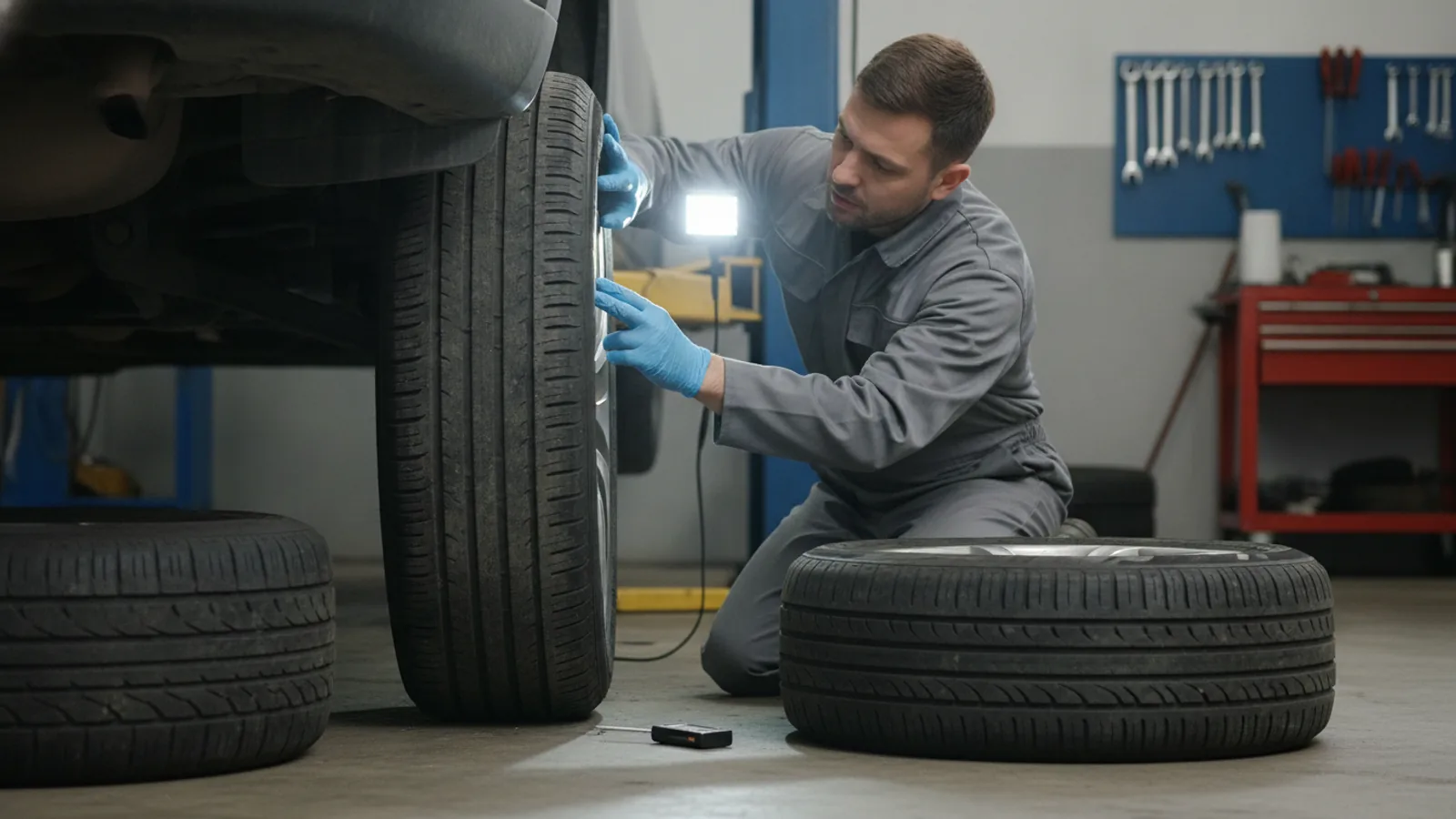
Begin by examining each tyre, including the spare, for any signs of damage or excessive wear. Look for cuts, bulges, or cracks in the sidewall, and check the tread for stones or nails. Run your hand carefully over the surface to feel for any bumps or depressions. A tyre that is damaged may fail suddenly during a long, high-speed journey. If you notice any issue, do not drive on it; replace it or have it inspected by a professional. Also, note any uneven wear patterns, which could indicate alignment or suspension problems. Addressing these before your trip will help ensure a smoother, safer ride and prevent unexpected breakdowns.
Check Tread Depth and Pattern
Tread depth is critical for maintaining grip on wet motorways. Use a tread depth gauge for accurate measurement, or do the 20p test: insert a 20p coin into the main grooves. If the outer rim of the coin is visible, your tread is below the legal minimum of 1.6mm. However, for safer wet grip, consider replacing tyres at 3mm. Measure at least three points across the tread, as edges wear faster. Also, check that the tread pattern is consistent across the tyre; any bald patches indicate a problem. Proper tread depth ensures that water can be dispersed, reducing the risk of aquaplaning, which is especially dangerous at motorway speeds.
Set Correct Air Pressure
Tyres lose pressure naturally, so check them when they are cold, before driving, and preferably before the motorway. Find the recommended pressure for your vehicle and load in the manual or sticker. Use a reliable digital gauge, and inflate to the prescribed value, but remember to adjust for a heavily loaded car. Over-inflation reduces grip and causes uneven wear, while under-inflation increases fuel consumption and heat, which can lead to a blowout. After adjusting, recheck the pressure with the gauge. During the journey, stop at a service area to check pressures again, as tyres can heat up and pressure may rise, but do not let hot air out; instead, compare to the recommended cold value.
Inspect the Valve and Cap
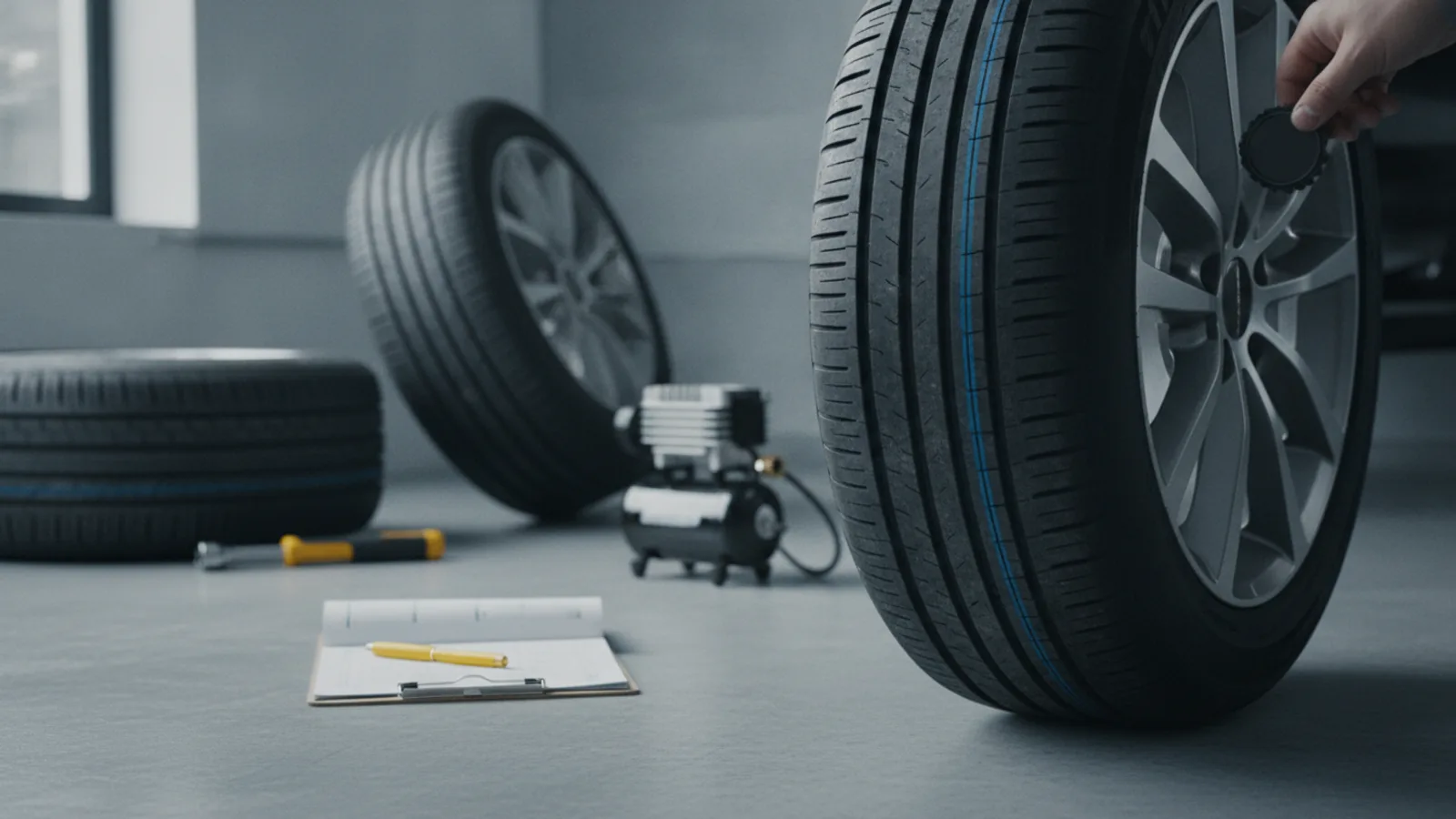
The valve is a small but vital part of the tyre. Check that the valve caps are tight and that the valve stem is not cracked or bent. A faulty valve can gradually leak air, causing pressure loss during your journey. To check for leaks, apply a little soapy water to the valve opening; if bubbles form, there is a leak. Replace the valve cap if it is missing, as it keeps dirt out and provides a backup seal. Also, ensure the valve is straight and not angled too sharply, which could indicate internal damage. A simple check now can prevent a slow puncture that might leave you stranded on a busy motorway.
Consider Load and Speed Ratings
Your tyre's sidewall has a load index and speed symbol. This tells you the maximum weight the tyre can carry and the speed it is certified for. For a long motorway journey, ensure your tyres are rated for the actual load and speed you expect. Overload can cause excessive heat and failure, especially in hot weather. Check your vehicle's handbook for the required ratings; replace any tyre that is below specification. While you may not exceed speed limits, driving at high speeds for extended periods places more stress on tyres, so having the correct rating is essential for safety and performance.
Prepare Your Spare and Tools
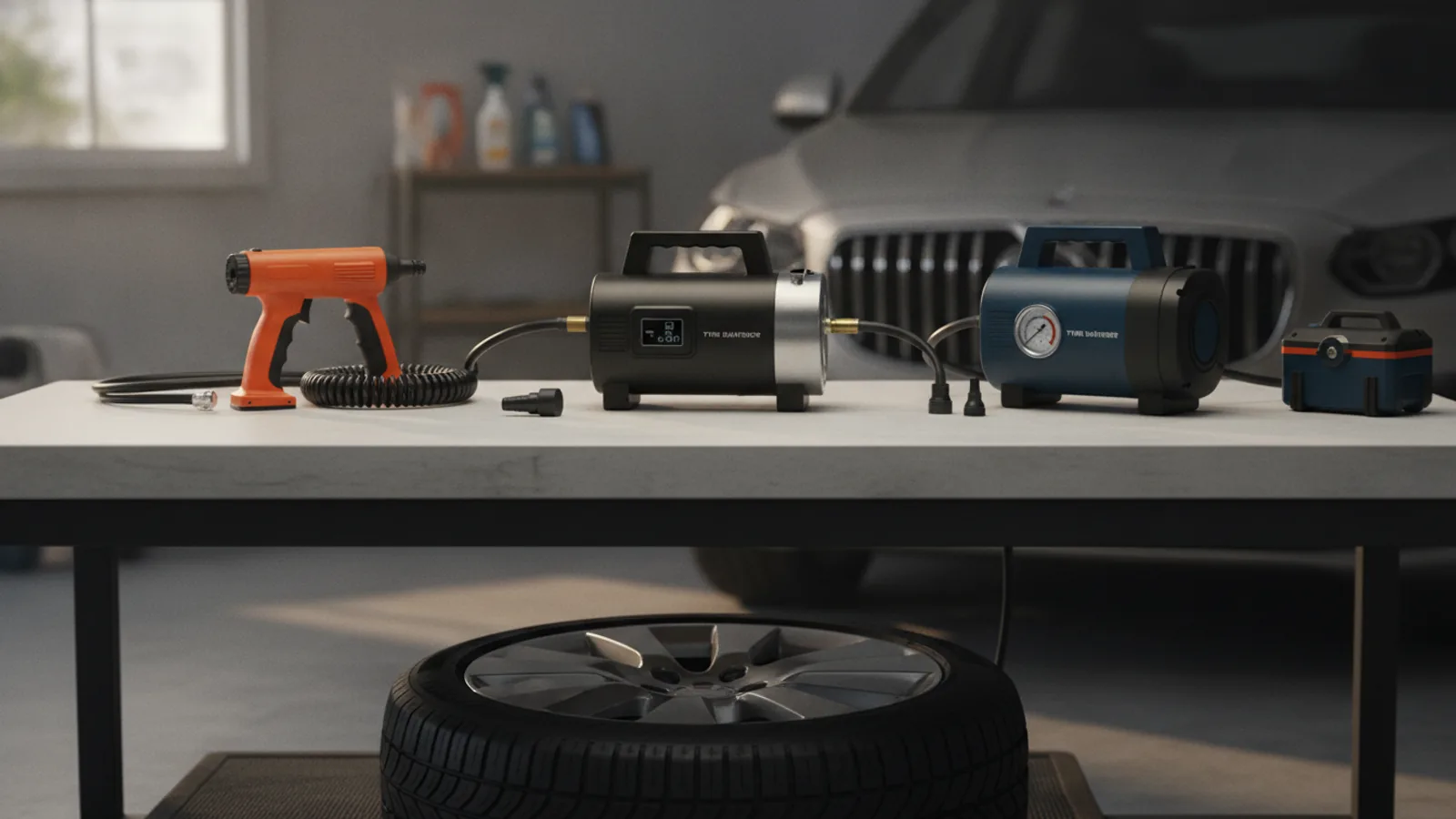
Before setting off, check the condition and pressure of your spare tyre, if you have one. If your vehicle uses a temporary spare, remember it is only for emergency use and has a speed limit. Ensure you have the jack and wheel wrench, and know how to use them safely. Practice changing a wheel in daylight, so you are confident if needed. Also, consider carrying a tyre repair kit or a portable compressor, especially if you have no spare. Check that the compressor works and that you know how to use the sealant. On a long motorway journey, being prepared to deal with a puncture quickly and safely is crucial to avoiding danger and delays.
Quick Reference
| Situation | Action | Why it helps |
|---|---|---|
| You are about to set off on a long motorway journey and are unsure about your tyre pressure. | Find the recommended tyre pressure in your vehicle handbook or on the sticker on the driver's side door frame. Check pressure when tyres are cold using a reliable gauge, and inflate or deflate to match the recommended value for your expected load. Recheck after the first 50 miles. | Correct pressure ensures optimal contact with the road, reduces wear, and prevents overheating, which is critical at sustained motorway speeds. |
| During a pre-journey inspection, you notice a small nail embedded in the tread of your tyre. | Do not attempt to pull it out. If the tyre is still inflated, drive slowly to a nearby garage or tyre specialist. If the pressure is low, use your spare tyre or call for roadside assistance. Do not continue your journey on a damaged tyre. | A nail can cause a slow leak and a sudden blowout at high speed. Professional repair or replacement is necessary to ensure safety. |
| You are halfway through your journey and the tyre pressure warning light comes on for one tyre. | Safely pull over at a service area or a safe, hard shoulder. Check the tyre visually and with a gauge. If it is low, inflate it to the recommended cold pressure. If it is losing pressure quickly, change to your spare or call for assistance. | A rapid pressure loss indicates a puncture or other damage. Continuing to drive on an underinflated tyre can cause excessive heat and a blowout. |
Common Issues
- Tyres lose pressure during the journey, and the warning light comes on.: Check the tyre pressure when the tyre is cool and compare to the recommended value. If it is only slightly low, inflate to the correct pressure and monitor it. If it drops quickly, there is likely a puncture. Change to the spare or call for breakdown assistance.
- Uneven tread wear, such as worn edges or a smooth centre, is noticed during inspection.: Uneven wear can indicate misalignment, over-inflation (centre wear), or under-inflation (edge wear). Have a professional check the alignment and rotate tyres as recommended. Replace tyres if they are below the legal limit.
- The vehicle vibrates or pulls to one side at high speed, suggesting a wheel imbalance or a tyre issue.: Pull over at a safe spot and check that the tyre is not obviously damaged. If no external damage is visible, take your vehicle to a tyre specialist. They can balance the wheels and check for any internal damage or misalignment.
Advanced Tips
- Consider nitrogen instead of standard air for your tyres. Nitrogen is less prone to pressure loss due to temperature changes, which can help maintain consistent pressure over a long journey.
- If you are travelling in very hot weather, check your tyre pressures more frequently, as heat can cause pressure to rise. Do not let air out when hot; instead, monitor and adjust when cold.
- If your vehicle has a built-in tyre pressure monitoring system (TPMS), make sure it is working and calibrate it according to the manual. These systems provide real-time alerts that can be crucial for preventing issues.
Final Checklist
- Check each tyre's tread depth using the 20p coin test or a gauge, and replace if any tyre is at or below 1.6mm.
- Inflate all tyres, including the spare, to the recommended cold pressure for your load. Adjust for heavy cargo.
- Inspect every tyre for cuts, bulges, cracks, and embedded objects. Look at the sidewall and tread.
- Verify that your spare tyre, jack, and wheel wrench are in good condition and you know how to use them.
FAQ
How often should I check my tyre pressure before a long motorway journey?
Check your tyre pressure at least once a month and always before a long trip. For the most accurate reading, check when tyres are cold, meaning you have driven less than a mile. If you plan to drive more than 500 miles, check the pressure again after the first 100 miles and adjust if needed.
Is it necessary to change tyres if they have good tread but are over 6 years old?
Yes, even if tread depth is above the legal minimum, tyres degrade with age. The rubber can harden and crack, losing grip. Check the DOT code on the sidewall; the last four digits indicate the week and year of manufacture. Most manufacturers and safety experts recommend replacing tyres that are 6 to 10 years old, regardless of appearance.
Can I use a different tyre pressure if my vehicle is heavily loaded?
Yes, many vehicles have higher recommended pressures for 'heavy load' conditions, such as when the car is full of passengers and luggage. Check your owner's manual or the tyre pressure sticker for two sets of values. Adjust accordingly, as underinflated tyres under heavy load can overheat and fail.