Choosing Replacement Tyres For Everyday City Driving Checklist For First Time Readers
A practical step-by-step guide to choosing replacement tyres for everyday city driving checklist for first-time readers, including preparation, instructions, common issues, tips, and next steps.

Choosing Replacement Tyres For Everyday City Driving Checklist For First Time Readers
Choosing replacement tyres for everyday city driving can feel overwhelming for first-time readers, but a simple checklist makes it manageable. This guide covers why city driving demands specific tyre traits, how to read sidewall markings, the meaning of speed and load ratings, and the importance of matching all four tyres. You will learn to assess your driving habits, check the manufacturer's recommendations, inspect tread depth, and know when to seek professional fitting. The steps are practical and calm, helping you make an informed choice without jargon.
Fast Answer
- Check the driver's door sill or owner's manual for the exact tyre size and ratings your car needs, then match new tyres to that specification.
- Prioritise tyres with good wet grip and a tread pattern designed for quiet, stable city driving, and always replace tyres in pairs or sets of four.
Before You Start
- Locate the tyre information sticker on the driver's side door frame or inside the fuel filler flap; it lists the correct size and pressure.
- Use a tread depth gauge or the 20p coin test to measure your current tyres' tread; legal minimum is 1.6mm across the central three-quarters.
- Note your typical driving patterns, such as short trips, frequent stop-start traffic, and occasional motorway use, to choose a suitable tread compound.
- Read the sidewall markings on your existing tyres to understand the size, load index, and speed rating, as these must match new tyres.
Step-by-Step Instructions
Check the Manufacturer's Tyre Specification
Open the driver's door and look for the tyre information sticker on the door sill; if it is not there, check the owner's manual or the inside of the fuel flap. This sticker displays the exact tyre size, load index, and speed rating recommended for your car, such as 195/65 R15 91H. Write down these numbers because they are your first filter when choosing replacements. The size is the most obvious part, but the load index and speed rating are just as critical: they tell the maximum weight each tyre can carry and the maximum speed it can safely sustain. Using a tyre with a lower load index could cause the tyre to overheat and fail under a full car. The speed rating is not about encouraging fast driving; it is a safety margin, so never choose a lower rating than listed. If you live in a region with severe winters, the sticker may also offer an alternate size for winter tyres, but for everyday city driving, stick to the standard size.
Assess Your City Driving Conditions
Think about the roads you drive every day: are they mostly dry, wet, or often oily from traffic? City driving means many starts and stops, so you need a tyre with good grip in stop-and-go traffic, especially on wet roads. Also consider the road surfaces: potholes, manhole covers, and tram tracks are common in cities, so you want a tyre with a sturdy sidewall that can absorb impacts without damage. Fuel efficiency matters too, because tyres with lower rolling resistance can save fuel, but they may offer less grip. For a balanced city tyre, look for one that has a 'B' or 'C' rating for wet grip on the EU tyre label if available, and a decent fuel efficiency rating. You do not need a high-performance summer tyre for ordinary city driving; a standard touring tyre usually offers a good compromise of comfort, durability, and grip. Avoid heavily off-road styled tyres as they are noisy, increase fuel use, and take longer to stop on asphalt.
Understand Tyre Sidewall Markings
Once you know your required size, you can compare different brands and models. Look at the sidewall of any tyre and you will see a string of letters and numbers, for example, 195/65 R15 91H. The first number is the width in millimetres, the second is the aspect ratio (sidewall height as a percentage of width), the 'R' stands for radial construction, the rim diameter in inches, then the load index and speed rating. The load index is a number that corresponds to a weight in kilograms; you can find the chart online or ask the seller. The speed rating is a letter, with 'H' meaning up to 130 mph, 'V' up to 149 mph, and so on. For city driving, you rarely exceed 60 mph, but the rating ensures the tyre can handle heat from sustained high speeds if you occasionally join a motorway. Also check the date of manufacture, shown as a four-digit code, like '2319' meaning week 23 of 2019. Old tyres may have perished even if tread is fine, so avoid tyres more than six years old.
Choose the Right Tyre Type and Tread Pattern
For city driving, you can choose between summer tyres, all-season tyres, or winter tyres. Summer tyres offer the best grip in warm weather but become hard and slippery below 7 degrees Celsius. All-season tyres are a compromise and work reasonably well in mild climates with light winter, but they do not excel in extreme conditions. Winter tyres, with their deeper tread and softer rubber, are essential if your city sees snow and ice, but they wear quickly in warm temperatures and increase fuel consumption. For many city drivers, all-season tyres are the most convenient if winters are mild, but if you experience heavy snow, you should switch to winter tyres for the season. Look at the tread pattern: symmetric treads are quiet and even, while asymmetric treads offer better cornering grip. For city driving, a symmetric or asymmetric pattern is fine; the important thing is that the tyre has good water evacuation channels to resist aquaplaning. Check the EU tyre label for wet grip ratings; aim for 'A' or 'B' if possible.
Inspect the Tyre's Condition Before Purchase
When you have found a tyre that fits your specification and driving needs, examine it physically before you pay. Look for any cuts, bulges, or uneven wear that could indicate a defect. Check the tread depth across the tyres using a gauge or the 20p coin test: insert a 20p coin into the main grooves, and if the outer band of the coin is visible, your tread is below 3mm and the tyre should be replaced. New tyres have around 8mm of tread, so you have plenty of margin, but verify that the tyre you buy is brand new and not a part-worn or used tyre, unless you are buying a known approved part-worn with clear depth. Also check the sidewall for any signs of repairs, and confirm that the tyre has the correct load index and speed rating as per your car's sticker. If you are buying online, measure the tread depth when the tyre arrives and inspect for any manufacturing defects in good light. If anything looks suspicious, return it.
Fit and Maintain Your New Tyres Properly
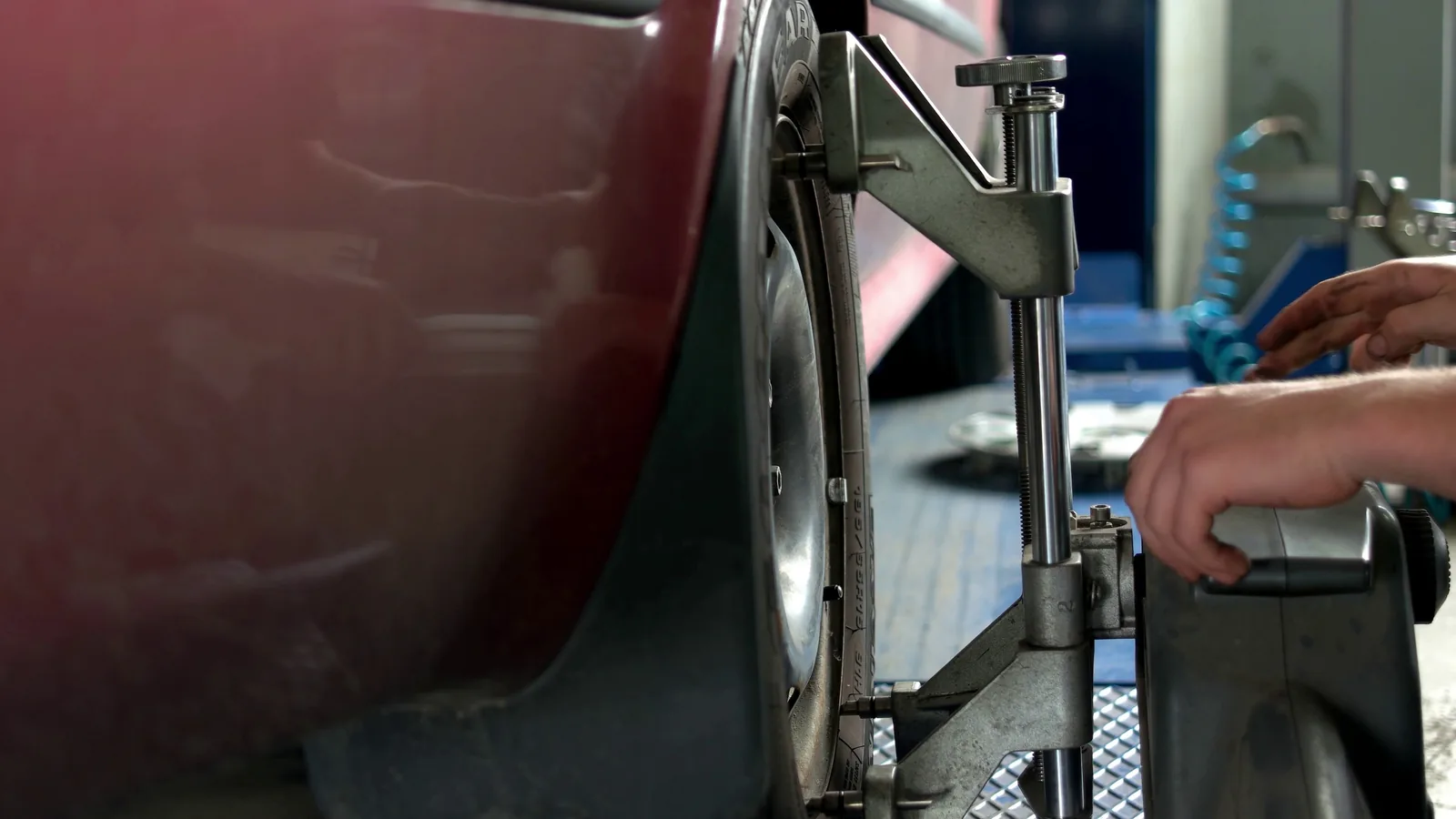
Have the tyres fitted by a professional, because balancing and alignment are crucial for safe driving. The technician will balance each wheel to prevent vibrations, and you should ask them to check and adjust the alignment if your car has been pulling to one side or wearing tyres unevenly. When the car is lowered, inspect the tyres again for any obvious issues. After fitting, you should check the tyre pressure when the tyres are cold, at least once a month, and before long journeys. Under-inflated tyres increase fuel consumption and wear out the edges, while over-inflated tyres reduce grip and wear the centre. Also consider using a tyre pressure monitoring system if your car does not have one, but many new cars do. Finally, rotate your tyres between front and rear every 10,000 km or as per your vehicle's maintenance schedule, to promote even wear. This is especially important in city driving, because braking heavily wears front tyres faster.
Quick Reference
| Situation | Action | Why it helps |
|---|---|---|
| You notice your car pulls to one side when driving on a straight, flat road. | Check the tyre pressures on all four wheels and look for uneven wear on the tread; then have the wheel alignment checked by a professional. | Pulling can be caused by under-inflated tyres or misalignment, both of which shorten tyre life and reduce safety. |
| You are driving in heavy rain and feel the steering become light or floaty. | Slow down immediately, avoid braking sharply, and gently ease off the accelerator to regain grip, then check your tread depth later. | Light steering indicates aquaplaning, where water lifts the tyre off the road, and low tread depth increases this risk. |
| One of your tyres has a slow puncture that needs topping up every couple of weeks. | Inspect the tyre for a nail or damage, and if it is repairable, have it professionally repaired or replaced if the damage is near the sidewall. | A slow leak often indicates a puncture that can lead to sudden deflation, so it should be fixed promptly to avoid a blowout. |
Common Issues
- Choosing a tyre with a lower speed rating than the car's original specification.: Always select a tyre with a speed rating equal to or higher than the one listed on your door sill sticker, even if you never drive that fast, to ensure the tyre can safely withstand the heat generated at your car's top speed.
- Mixing tyre brands or tread patterns across the same axle.: Replace tyres in pairs at least, but ideally a full set of four matching tyres, to ensure consistent grip and handling, especially during emergency braking and cornering.
- Assuming all-season tyres are suitable for extreme winter conditions.: If your city regularly sees snow and ice, invest in dedicated winter tyres for the cold season, because all-season tyres lose flexibility and grip below 7 degrees Celsius.
Advanced Tips
- Consider using a tyre pressure monitoring system that measures actual pressure rather than relying on the dashboard warning, as many systems only alert when pressure drops significantly.
- When storing a second set of seasonal tyres, keep them in cool, dark, dry conditions away from direct sunlight, ozone sources like motors, and chemicals, and stack them vertically or hang them on rims.
- If you drive frequently on cobblestone streets, choose a tyre with a reinforced casing and a high load index to resist sidewall damage from impact.
Final Checklist
- Confirm the exact tyre size, load index, and speed rating from your vehicle's door sill sticker, fuel cap, or owner's manual.
- Decide between summer, winter, or all-season tyres based on your local climate and typical winter temperatures.
- Compare tyres using the EU label for wet grip, fuel efficiency, and noise, aiming for at least a 'B' in wet grip.
- Inspect each new tyre for defects and verify the date code is within six years of manufacture before fitting.
FAQ
What does the speed rating letter on a tyre mean?
The speed rating is the maximum speed a tyre can safely carry its rated load over a sustained period. For example, 'H' means up to 130 mph, 'V' up to 149 mph. Always choose at least the rating recommended by the car maker, even if you drive slower, because the rating also reflects heat resistance.
Is it okay to replace only two tyres if the others are worn?
It is generally safer to replace tyres at least in pairs on the same axle, but the best practice is to replace all four. Mixing different tread depths or types can cause the car to behave unpredictably in emergency braking or on wet roads, especially on front-wheel-drive cars.
How can I tell if a tyre is too old to use even if the tread looks fine?
Check the manufacturing date on the sidewall, a four-digit code like '2319' meaning week 23 of 2019. Many experts recommend replacing tyres that are more than six years old, regardless of tread, because rubber degrades and becomes brittle, increasing the risk of failure.