Checking Wheel Alignment After Pothole Damage Checklist For First Time Readers
A practical step-by-step guide to checking wheel alignment after pothole damage checklist for first-time readers, including preparation, instructions, common issues, tips, and next steps.
Checking Wheel Alignment After Pothole Damage Checklist For First Time Readers
After hitting a pothole, your car's wheel alignment can shift, causing uneven tire wear, poor handling, and reduced fuel efficiency. This guide provides a simple, step-by-step checklist for first-time readers to assess and address alignment issues safely at home, without special tools, and decide when to seek professional help.
Fast Answer
- Check tire pressure and look for uneven wear patterns; if you see scalloped edges or rapid wear on one side, alignment is likely off.
- Perform a straight-line driving test on a flat, empty road: if the car pulls to one side or the steering wheel is off-center, schedule an alignment check.
Before You Start
- Find a flat, level, and empty parking lot or quiet road where you can safely drive slowly and observe your car's behavior without traffic.
- Check your owner's manual for the recommended tire pressure and use a reliable gauge to inflate all four tires to that spec before starting any tests.
- Clear all heavy items from the trunk and cabin, as extra weight can affect ride height and alignment readings, especially on softer suspensions.
- Have a flashlight, a piece of chalk or tape, and a phone with a camera to mark tire positions and document any visible wear or damage.
Step-by-Step Instructions
Inspect Tire Pressure and Visual Wear
Start by checking the air pressure in every tire with a reliable gauge when the tires are cold. Compare the readings to the numbers listed on the driver's doorjamb sticker or owner's manual. Write down the pressure for each tire and note any tire that is lower by more than a few psi from the spec. Next, visually inspect each tire's tread across the entire surface. Look for signs like feathering where the tread blocks are worn more on one side, or cupping/scalloping that creates a wavy pattern. Also check if the inner or outer edge is significantly smoother than the center. These uneven wear patterns often indicate misalignment, overinflation, or underinflation. Even if the tires look fine now, do the next steps to confirm. This initial check gives you a baseline and helps you rule out simple air-pressure issues that could mimic alignment symptoms.
Measure Ride Height for Sagging
To detect suspension sag that can mimic alignment problems, measure the distance from the center of each wheel hub to the edge of the fender directly above it. Park your car on a level surface and ensure the tires are properly inflated. Use a tape measure and note the measurement for each wheel. All four corners should be within a close range, usually about half an inch of each other, but check your owner's manual for any specified values. If one side sits noticeably lower than the other, the spring or strut may be damaged from the pothole impact. This can cause the car to pull to one side and lead to uneven tire wear, even if the alignment angles themselves are still within spec. Taking these measurements helps you separate a bent suspension part from a pure alignment issue, guiding your next steps. Write the numbers down so you can compare them to the specifications for your vehicle model.
Perform a Straight-Line Drive Test
Now drive your car to a flat, straight, and empty stretch of road where you can safely release the steering wheel for a few seconds. Accelerate gently to a steady speed of about 35 to 45 mph and then, with both hands off the wheel, see if the car drifts to one side. If it consistently pulls left or right, that is a strong indicator that your alignment is off or there is a tire/suspension issue. Also note if the steering wheel is off-center when driving straight; meaning you have to hold it tilted to keep the car going true. Repeat the test a few times, and try different lanes to account for road crown, the slight slope that helps drainage. This test is a practical way to gauge real-world alignment because it reflects how the car tracks under normal conditions. After the test, pull over and note any handling quirks like steering wheel vibrations or shimmies, which could point to balance or bent parts.
Look for Uneven Tire Wear Front to Back
With the car on a level surface and the engine off, get down and examine the tread depth and wear across each tire's width. Use a tread depth gauge or the penny trick to measure depth, and also feel for any rough or uneven patches. Pay special attention to the front tires, as they are most affected by pothole impacts. Check if one edge is worn down significantly more than the other, which could indicate camber issues. Also look for a sawtooth pattern where individual tread blocks are slanted, which points to toe problems. Another sign is 'cupping' or 'scalloping,' a series of high and low spots around the tire, which is often caused by worn shocks or struts after a hard impact. Take notes and maybe take photos for future reference. If you see severe or rapid wear, especially within a few thousand miles after the pothole, the alignment is likely out of spec and needs correction.
Check Steering Response and Center Position
While driving in a safe area, pay attention to how the steering feels and whether the steering wheel is centered. When you drive straight on a flat road, the steering wheel should be almost perfectly horizontal, with the logo at the top and the spokes even. If the wheel is turned to one side to keep the car going straight, that is a clear sign that the alignment is off. Also test the response to small steering inputs: a properly aligned car should respond quickly and predictably without excessive play or looseness. If you feel vibration through the steering wheel at certain speeds, that could indicate a bent rim or a tire out of balance from the pothole. Another sign to note is whether the car returns to center after a turn; if it does not, the steering angle or camber might be off. Write down your observations as they will be valuable when you talk to a mechanic.
Decide Whether to Seek Professional Alignment
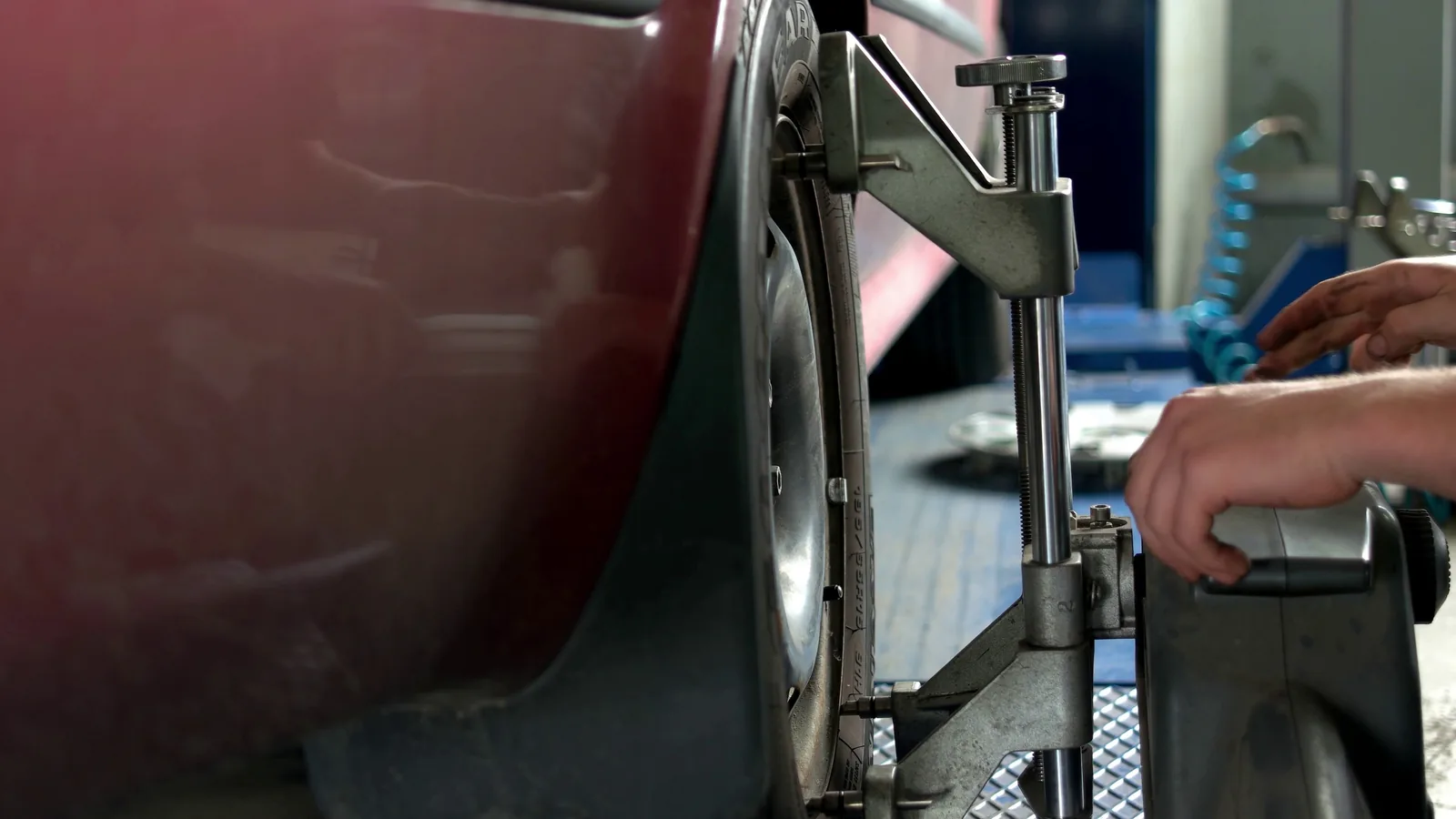
After performing the previous checks, collect all your findings: tire pressures, ride heights, pull direction, steering wheel centering, and any visible wear. If you noticed any significant issues like a constant pull, a badly off-center wheel, or dramatic uneven tire wear, it is wise to have a professional technician perform a four-wheel alignment. A shop will mount your car on a rack, attach sensors to all four wheels, and measure the caster, camber, and toe angles against your vehicle's factory spec. They can then adjust the suspension components to bring those angles back into tolerance. Even if your tests suggest only a minor issue, remember that potholes can cause hidden damage to tie rods, control arms, or ball joints. A proper alignment not only prevents irregular tire wear but also ensures your car handles safely and predictably. Never try to fix alignment by replacing parts or adjusting bolts yourself without proper training.
Quick Reference
| Situation | Action | Why it helps |
|---|---|---|
| Car pulls to the right or left when you release the wheel on a flat road | First verify tire pressures are equal, then perform a straight-line test again; if the pull persists, schedule a professional alignment check and avoid driving long distances until it is corrected. | A constant pull indicates that the front angles are not equal on both sides, causing the car to track to one side, and professional equipment is needed to measure and adjust those angles accurately. |
| Steering wheel is off-center even though the car goes straight | Check if the steering wheel is simply installed slightly crooked; if not, note the degree of offset and mention it to the alignment technician, who will adjust the tie rods to center the wheel. | An off-center steering wheel often results from toe misalignment, and correcting it with a professional alignment ensures the wheel is centered when the car tracks straight, preventing driver confusion and premature tire wear. |
| You see uneven wear on the inside or outside edge of a tire | Check the tire pressure and inflate to spec, then inspect for any suspension damage by measuring ride height; if the wear is pronounced, have the alignment checked and the tires rotated if needed. | Edge wear indicates excessive camber or toe, which can be caused by a pothole impact, and a proper alignment will even out the contact patch to prevent future uneven wear and extend tire life. |
Common Issues
- Vibration in the steering wheel at highway speeds after a pothole: Slow down and do not ignore the vibration; first check for any visible bulges or cuts on the tire sidewalls, then have the tires balanced and inspected for a bent rim or broken belt, which a professional can assess.
- Car pulls to one side even after a professional alignment: If the alignment is within specs but the pull persists, ask the mechanic to check for brake drag, tire conicity (a tire that is slightly cone-shaped), or a damaged suspension bushing that may not affect alignment readings but still causes pulling.
- Ride is noticeably rougher or noisier after pothole impact: Inspect the shock absorbers and struts for fluid leaks, dents, or damaged mounts; if you see any, have them replaced, as worn shocks can cause poor handling and uneven tire wear even if the alignment angles are correct.
Advanced Tips
- If you frequently drive on rough roads, consider using a tire with a stiffer sidewall to better absorb impacts and reduce the chance of wheel damage from potholes.
- After pothole impact, check the wheel rims for any bends or cracks by spinning the wheel and looking at the rim's edge; a tiny dent can cause a slow leak and wobble.
- If your car has adjustable camber plates or control arms, you might be able to fine-tune the alignment slightly to compensate for wear, but only do this with professional guidance and proper measuring tools.
Final Checklist
- Record your tire pressure readings and compare them to the vehicle's recommended sidewall or doorjamb label.
- Measure and note the ride height at all four corners, looking for a difference of more than half an inch.
- Perform the straight-line drive test on a flat road and observe whether the car pulls or wheel is off-center.
- Document any uneven tire wear, vibrations, or unusual noises and decide whether to schedule a professional alignment.
FAQ
How long can I drive with a bad wheel alignment after a pothole?
You should avoid driving long distances or at high speeds with a misalignment, as it can cause rapid tire wear and damage to your suspension. If you notice a pull or uneven wear, schedule an alignment within a few days, but if the car handles poorly or vibrates severely, have it towed to a shop rather than risking further damage.
Will a wheel alignment fix all problems caused by pothole damage?
No, a wheel alignment only corrects the angles of the wheels. Potholes can also damage tires, rims, suspension components like ball joints and tie rods, or even the frame. A technician should inspect these parts; if any are bent or broken, they must be replaced before an alignment, otherwise the alignment will not hold.
How often should I get a wheel alignment if I often hit potholes?
As a general rule, check your alignment at least once a year or every 10,000 miles, whichever comes first. However, if you hit a particularly hard pothole, it is wise to have a professional inspect the alignment as soon as possible, even if you do not notice symptoms, because minor misalignment can accelerate tire wear.