Common Mistakes When Planning Spotting Uneven Tyre Wear Before It Becomes Expensive
A practical step-by-step guide to common mistakes when planning spotting uneven tyre wear before it becomes expensive, including preparation, instructions, common issues, tips, and next steps.
Common Mistakes When Planning Spotting Uneven Tyre Wear Before It Becomes Expensive
Uneven tyre wear often signals alignment, suspension, or pressure issues that, if caught early, can prevent costly replacements and unsafe driving. This guide helps you spot the warning signs during routine checks and plan simple interventions before damage becomes permanent.
Fast Answer
- Check your tyres monthly for uneven wear patterns such as cupping, feathering, or bald edges, and compare tread depth across the tyre face.
- If you notice uneven wear, book a professional alignment and rotation immediately to stop further damage and extend tyre life.
Before You Start
- Find a flat, well-lit area and gather a tread depth gauge or a coin for a rough check, plus a tyre pressure gauge and your vehicle's recommended pressure (usually on a sticker inside the driver's door or in the manual).
- Keep a notebook or phone app to record pressure readings and wear patterns each month—this helps spot trends early.
- Review your vehicle owner's manual for the correct rotation pattern and recommended service intervals for alignments or suspension checks.
- Plan to inspect tyres when they are cold (not driven for at least three hours) for accurate pressure and a clearer view of wear patterns.
Step-by-Step Instructions
Set Up a Monthly Tyre Inspection Routine
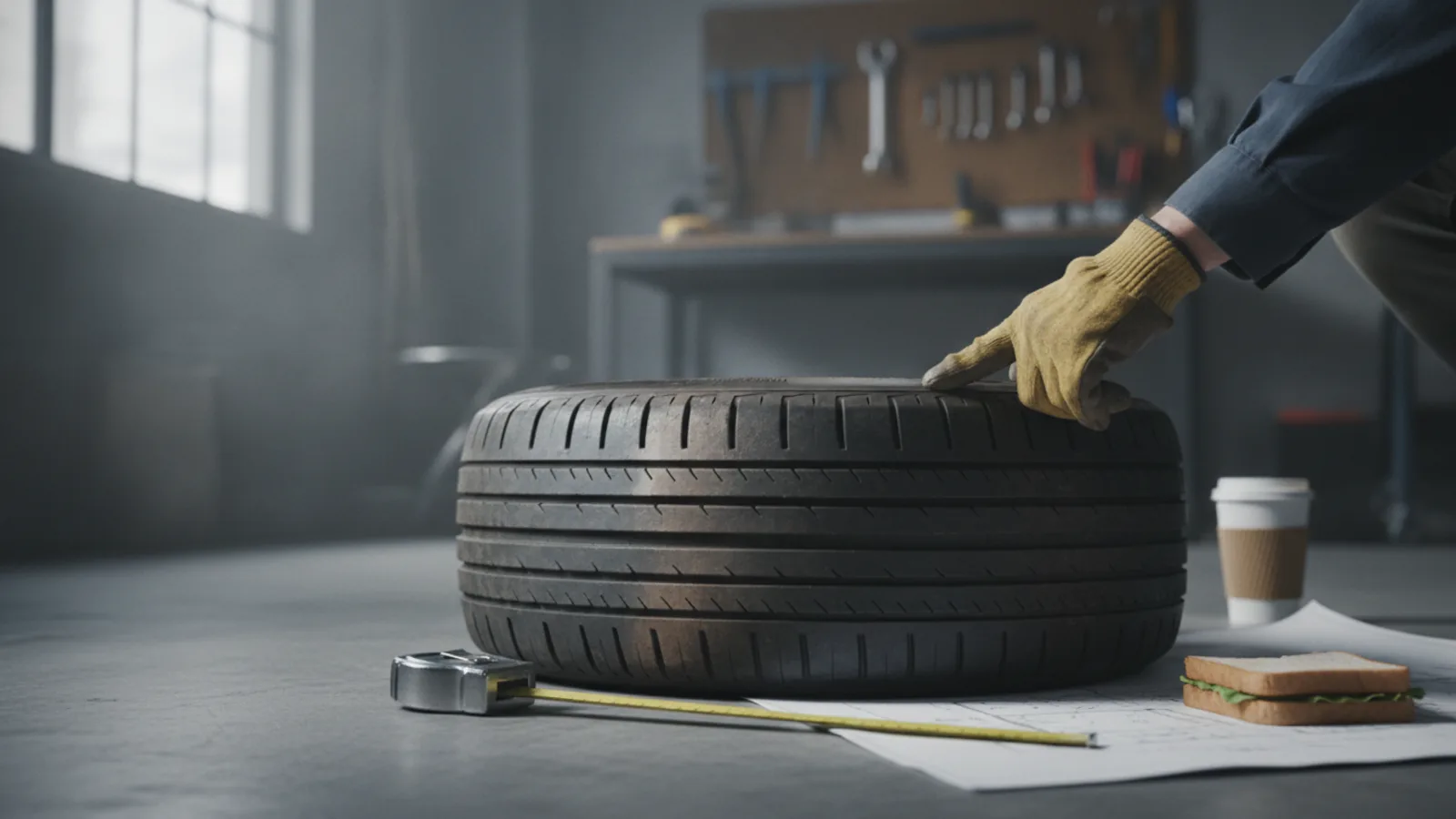
Choose a time each month—perhaps the first weekend—to inspect all four tyres. Park on a flat surface, ensure the tyres are cold, and use a tread depth gauge to measure grooves at three points across each tyre: inner edge, center, and outer edge. Note the readings in your log. Also check tire pressure with a gauge and inflate to the vehicle maker's recommended psi, which you'll find on the door jamb sticker or in your manual. Write down any differences between the left and right tyres, as these often hint at alignment or suspension issues. For example, if one shoulder is significantly shallower than the other, that's a clue to investigate. This baseline allows you to track changes over time, turning a vague feeling into a measurable data point. A consistent monthly check rarely takes more than fifteen minutes but gives you early warning and saves you from surprise wear-related expenses.
Learn the Common Wear Patterns and What They Mean
Familiarize yourself with classic uneven wear signatures. Center wear—smooth down the middle—indicates over-inflation, causing the middle of the tread to contact the road more. Shoulder wear (both edges worn) means under-inflation. One-sided shoulder wear points to incorrect camber (tilt) angle. Cupping or scalloped dips along the tread often signal worn shock absorbers or balance issues. Feathering, where the tread looks smooth on one side of the rib and sharp on the other, indicates toe misalignment. When you see a pattern, compare it with your last recorded measurements to see if it's accelerating. For instance, if the outer edge was 5 mm last month and now reads 4 mm, that's rapid loss. Understanding these patterns helps you pinpoint the likely cause, so you can talk to a mechanic with specific words. Instead of saying 'tyres look weird,' you can say 'the inner shoulders are almost bald on both fronts,' which speeds up diagnosis and reduces labor time.
Measure Tread Depth Systematically Across the Tyre
Use a quality gauge to measure the main tread grooves at the inner edge, center, and outer edge of each tyre. Do this at two or three spots around the tyre's circumference to catch variations like cupping, which might appear only on one section. Record measurements in the same order each time, for example: front left inner/center/outer, then front right, then rear tyres. Compare numbers side to side and front to back. A difference of more than 1.6 mm between edges is a red flag for alignment or wear issues. Also, use a simple penny test as a reserve, but a gauge gives exact numbers. If the outer edge reads 3 mm and the inner reads 5 mm, you know camber or toe is off. This data transforms your inspection from a guess into a precise diagnostic tool. You can even create a small spreadsheet to track monthly changes, which helps you decide whether to rotate sooner or schedule an alignment sooner than your regular maintenance plan.
Check Tyre Pressure and Record It Correctly
Tyre pressure affects wear directly and is the easiest factor to handle. Check pressure when tyres are cold, ideally before driving more than a mile. Use a reliable gauge and compare the reading to the vehicle's recommended pressure, not the tire sidewall number (which is max pressure, not the recommended setting). Adjust inflation to the exact pressure listed on the door sticker, which usually includes front and rear values. Record the readings for each tyre in your log. Under-inflation by just 10% can reduce tread life by 15% or more, and over-inflation makes the center wear prematurely. Pressure changes with outside temperature, so re-check after a temperature drop. If you find uneven pressures from side to side, inspect for slow leaks or valve issues. Write down the date and pressure for each tyre—this helps you track if a tyre loses air consistently, indicating a puncture or poor seal that needs professional attention.
Perform a Simple Visual and Tactile Wear Inspection
Beyond tread depth, run your hand over the tread surface to feel for roughness or feathering. Feathering feels like sharp edges on the tread blocks when you rub in one direction. Also inspect the sidewalls for cuts, bulges, or deformations that might cause uneven stress. Look at the overall shape of the tyre—a healthy tyre has a rounded shoulder; a squarish shoulder often indicates under-inflation. Use a flashlight to see inside the grooves for any flat spots or small cracks. If you have a tread wear indicator bars (molded between tread blocks), check if they are flush with the surrounding rubber—that means the tyre is worn out. Also, check for any foreign objects like nails. This tactile and visual check catches things a tread gauge misses, such as delamination or internal damage that can cause bulges and subsequent uneven wear. If you find any abnormal bulge or cord showing, do not drive on that tyre—replace it immediately.
Plan a Professional Alignment and Rotation Schedule
If your measurements show persistent uneven wear after you've corrected pressure, plan to have a professional check the alignment and suspension. Before booking, note which tyres show which patterns—for instance, front tyres cupping could indicate worn shocks. A typical schedule for many vehicles is rotation every 5,000–8,000 miles, but your manual may have a specific interval. Your alignment should be checked at least once a year, or earlier if you've hit a pothole, hit a curb, or notice a pull while driving. When you rotate, follow the pattern recommended in the manual (e.g., front to back, cross rear to front) to promote even wear. If you find that rotations don't even out wear, that's a sign of a mechanical issue. Communicate clearly with the technician: show them your recorded measurements, and ask them to explain any findings. This proactive step can prevent future damage and ensure your next tyres last their full expected life.
Quick Reference
| Situation | Action | Why it helps |
|---|---|---|
| You see your tyre edges are worn down evenly on both sides of the tyre. | Check the tyre pressure with a gauge and inflate to the vehicle manufacturer's recommended pressure listed on the door jamb sticker, then re-measure wear in two weeks to see if the pattern stops. | Even shoulder wear often indicates prolonged under-inflation, which increases heat and flexing, so immediate inflation prevents further edge wear and potential blowouts. |
| You notice one side of the front tyre tread is significantly shallower than the other side, like the inner edge is almost smooth. | Book a wheel alignment service right away, as this pattern usually means the camber is off, and avoid long trips until corrected to prevent unsafe handling. | Excessive camber tilts the tyre, causing one side to bear all the load, which quickly wears that edge and compromises traction in corners. |
| You feel a rhythmic thumping or see small cup-like dips around the tread when you run your hand over it. | Have the wheel balance and shock absorbers inspected by a professional immediately, and if shocks are worn, replace them before buying new tyres. | Cupping is caused by vertical oscillation, often from unbalanced wheels or worn shocks, which can cause suspension damage if left unchecked. |
Common Issues
- Forgetting to check tyre pressure when tyres are cold, leading to inaccurate readings and incorrect adjustments.: Plan your pressure check for early morning before driving, or wait at least three hours after the last trip to ensure accurate readings.
- Only checking one or two tyres, assuming the rest are fine, which misses inner edge wear that isn't visible unless you get down and look from underneath the car.: Make a habit of checking all four tyres every month, including the inner edges by either turning the wheel all the way to one side or using a small mirror.
- Ignoring small differences in tread depth, thinking 'it's fine' because it's not yet illegal, which leads to uneven braking and hydroplaning risk.: Set a threshold for yourself: if any tyre differs by more than 2 mm from its counterpart on the same axle, consider rotation or alignment sooner rather than later.
Advanced Tips
- Consider using a laser alignment tool for home use if you want precise toe measurements, but understand it requires careful setup and baseline readings for accuracy.
- Log weather conditions in your tyre diary, as summer heat or cold snaps can cause pressure swings that affect wear patterns; note temperature extremes to avoid false alarms.
- If you have an all-wheel-drive vehicle, rotate tyres more frequently than the manual suggests—often every 4,000 to 5,000 miles—to prevent drivetrain strain from mismatched diameters.
Final Checklist
- Within the last month, have you measured tread depth on all four tyres at three points each and recorded the numbers?
- Have you verified tyre pressure matches the manufacturer's recommendation for both front and rear axles, and have you corrected any side-to-side pressure difference?
- Do you have a date scheduled for a professional alignment check, especially if you've noticed any uneven pattern or struck a curb or deep pothole recently?
- Are you confident in the steps to plan a tyre rotation, knowing the correct pattern for your vehicle and the interval from the owner's manual?
FAQ
How often should I inspect my tyres for uneven wear?
You should do a visual and tread-depth check at least once a month, or before any long trip. Also, do a quick visual whenever you wash the car. If you notice any pull, vibration, or uneven feel while driving, inspect immediately. Monthly checks catch trends early, allowing you to reverse mild wear with rotation or pressure adjustments before it becomes permanent.
Can rotating my tyres fix uneven wear once it's already visible?
Rotation can even out wear patterns, but it cannot repair damage already done. If you see clear unevenness, like a bald inner edge, rotation will not restore rubber. Instead, it might expose the worn tyre to higher loads, possibly making it fail sooner. Always have the cause diagnosed and fixed first—such as alignment or suspension—then rotate to distribute any remaining wear evenly.
Is it safe to drive on a tyre with noticeable cupping or feathering?
It is not safe to drive any distance at high speed on a tyre with significant cupping or feathering. Such wear creates vibration that affects steering control, increases braking distance on wet roads, and can lead to sudden tread separation. Limit your driving to necessary errands and get the tyre inspected by a professional immediately. If you suspect structural damage, put on your spare and go straight to a service shop.